Global ocean governance is at a turning point. While frameworks such as the United Nations Convention on the Law of the Sea (UNCLOS) and other key instruments have long guided maritime rules and practices, new and complex challenges are emerging. Climate change, technological advances, competing economic interests, and growing disruptions to maritime logistics and supply chains are exposing gaps in inclusivity, equity, and the sustainable development of the blue economy.
This ORF Expert Speak series of short commentaries (800-1000 words) will bring together diverse international perspectives to reflect on how ocean governance can respond to these shifts and inform policy discussions toward more inclusive, coordinated, and responsive approaches to environmental and socio-economic pressures, particularly those affecting the Global South.
Driving question:
What is the most urgent governance challenge facing the oceans today, and how can it be addressed in a way that is both effective and equitable?
Thematic Pillars
1. Participation, Access, and Institutional Integration
How can ocean governance become more coherent and better coordinated across institutions and sectors in response to evolving pressures, emerging tensions, and increasingly contested ocean spaces? This includes addressing fragmentation, strengthening supply chain resilience, supporting integrated and cooperative approaches, coordinating cross-sector investment, and advancing decarbonisation goals, including the IMO 2050 targets.
2. Maritime Corridors, Connectivity, and Strategic Dynamics
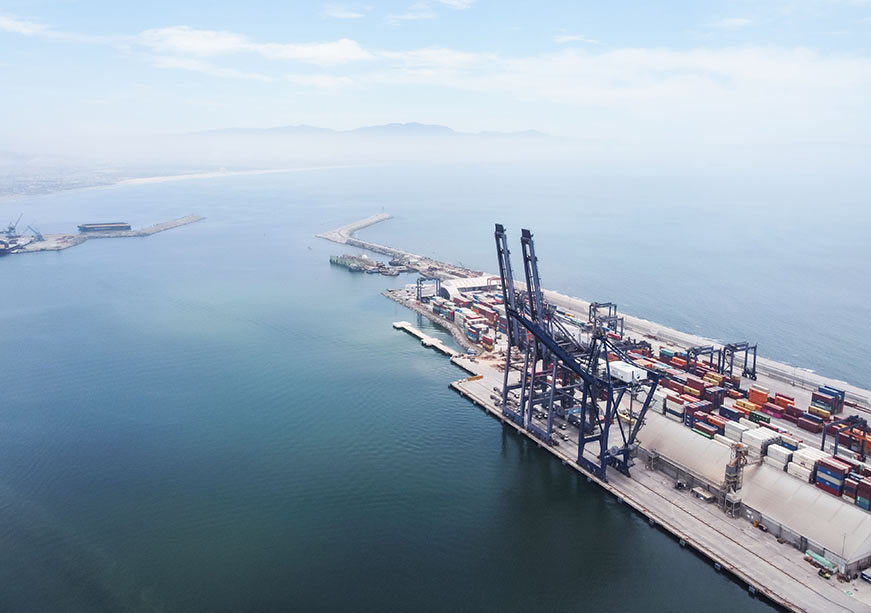
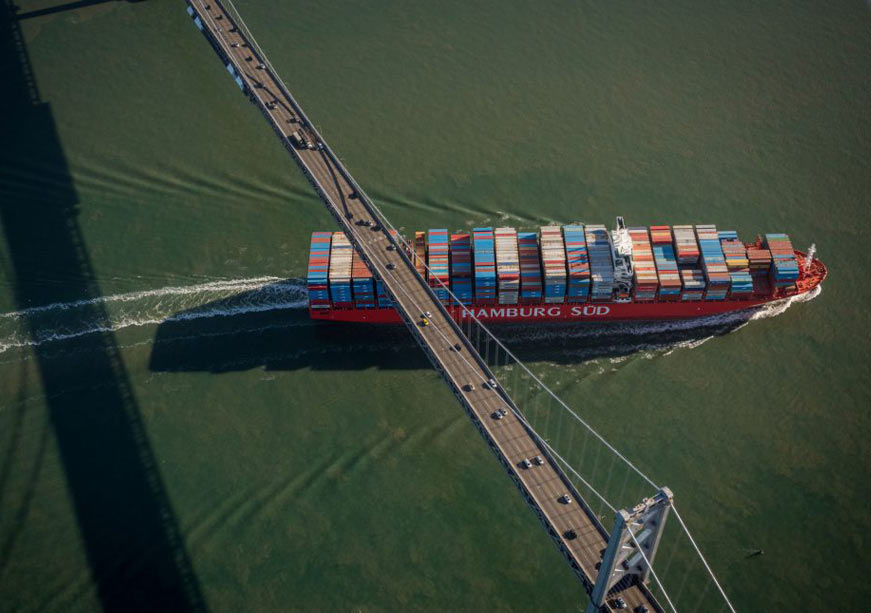
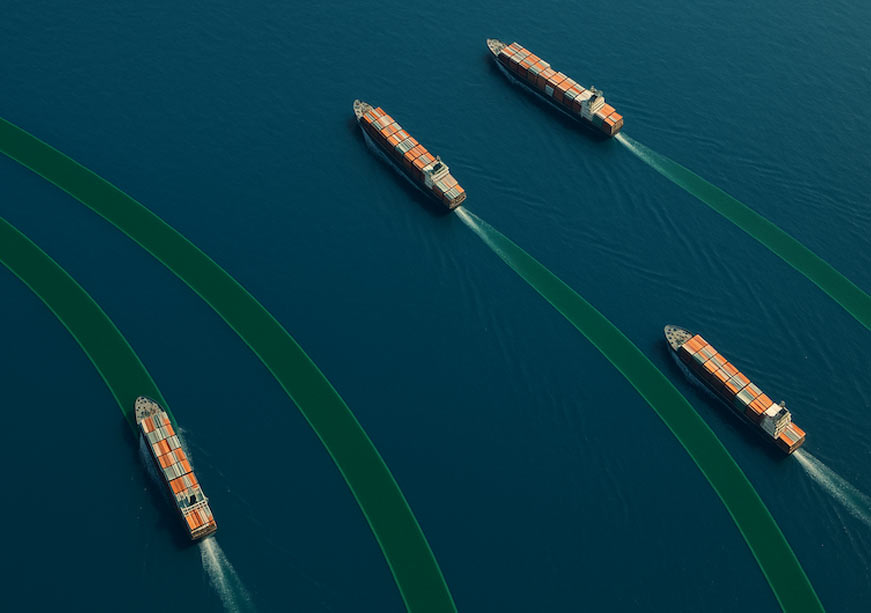
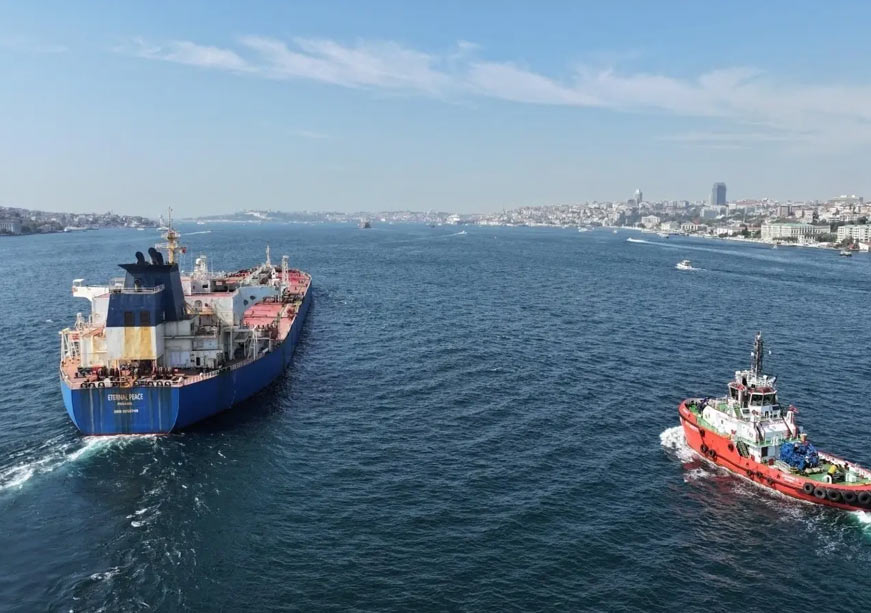
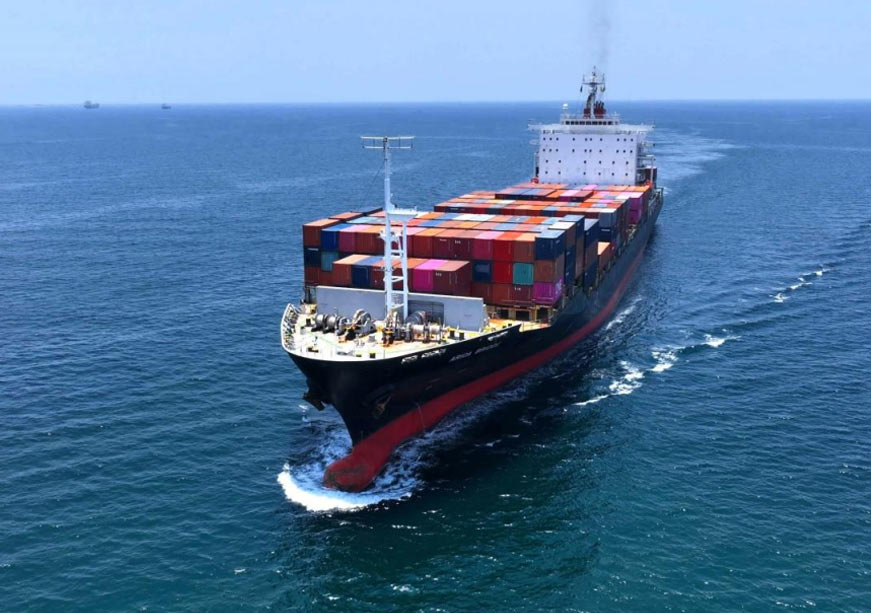
How are emerging maritime corridors and harbours transforming global trade and ocean governance? This involves understanding how sea lanes and geopolitical dynamics co-evolve, each influencing and constraining trade flows, connectivity patterns, and strategic influence. It also considers the policy and institutional architectures needed to build secure, climate-resilient corridors that integrate ports, inland networks, and global trade routes, while addressing infrastructure gaps, port capacity constraints, and logistical chokepoints.
3. Climate Action, Ocean-Based Solutions, and Blue Finance
How can countries and global institutions harness climate and ocean opportunities to build resilient and sustainable marine ecosystems? This includes deploying emerging solutions such as ocean-based CCUS and marine carbon-dioxide removal, scaling nature-based approaches like mangroves and blue carbon pathways, and expanding Marine Protected Areas (MPAs) to strengthen coastal and marine resilience. It involves developing credible markets, advancing global commitments such as the 30x30 target, supporting the High Seas Treaty, mobilising finance, and managing environmental risks, while recognising the crucial role of MPAs in restoring biodiversity and rebuilding fish populations.
4. Equity, Inclusion, and the Global South
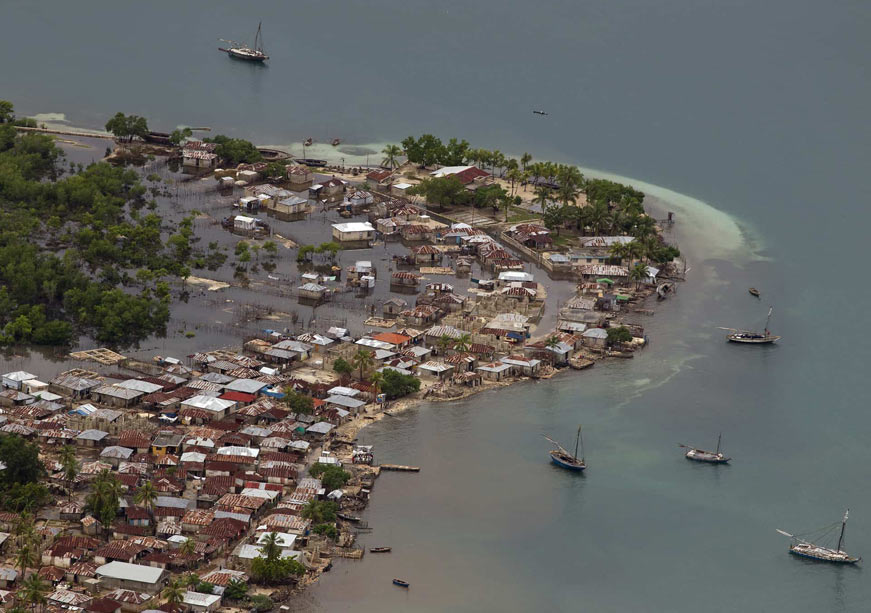
How can ocean governance move beyond consultation to ensure meaningful participation in decision-making? This involves recognising the role of emerging economies and Small Island Developing States in maritime trade, integrating local and Indigenous knowledge systems, addressing seafarers’ concerns in an evolving maritime landscape, and tackling structural inequalities.
5. Ocean Economies, Entrepreneurship, and Livelihoods
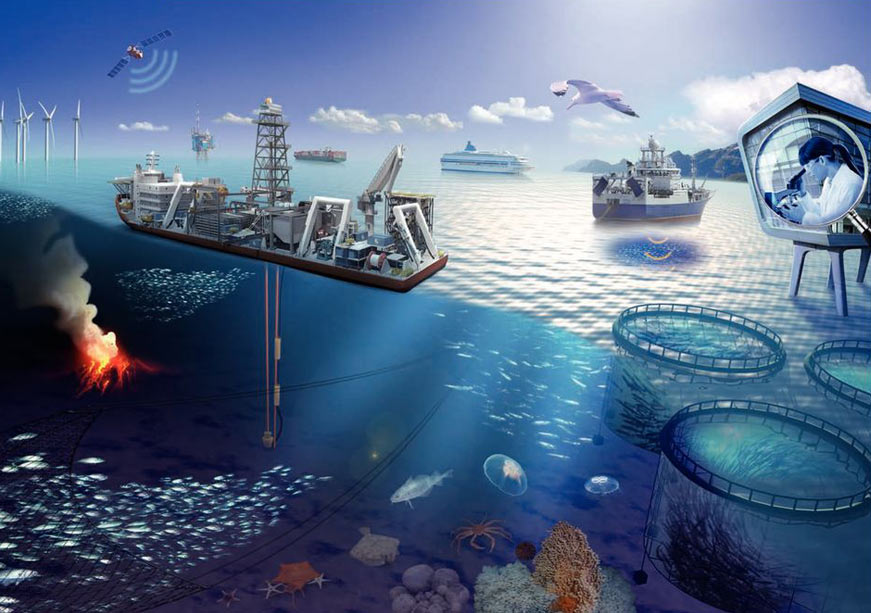
How can the blue economy and ocean-based industries grow sustainably while ensuring inclusive development? This involves strengthening regulatory frameworks for offshore energy, shipping, and seabed activities; encouraging responsible innovation and accountability; supporting coastal livelihoods; and strengthening coastal city economies, while ensuring that economic gains are equitably distributed across communities. It also includes advancing blue circular economy approaches that sustain both ecosystems and livelihoods.
6. Ocean Data, Science, and Knowledge Pathways
How can disparities in ocean science, data, and technological access be addressed? This includes improving access to AI and digital tools, strengthening research capacity, encouraging international collaboration, bridging knowledge gaps between the Global North and the Global South, and adapting skills for a changing and increasingly automated ocean economy.
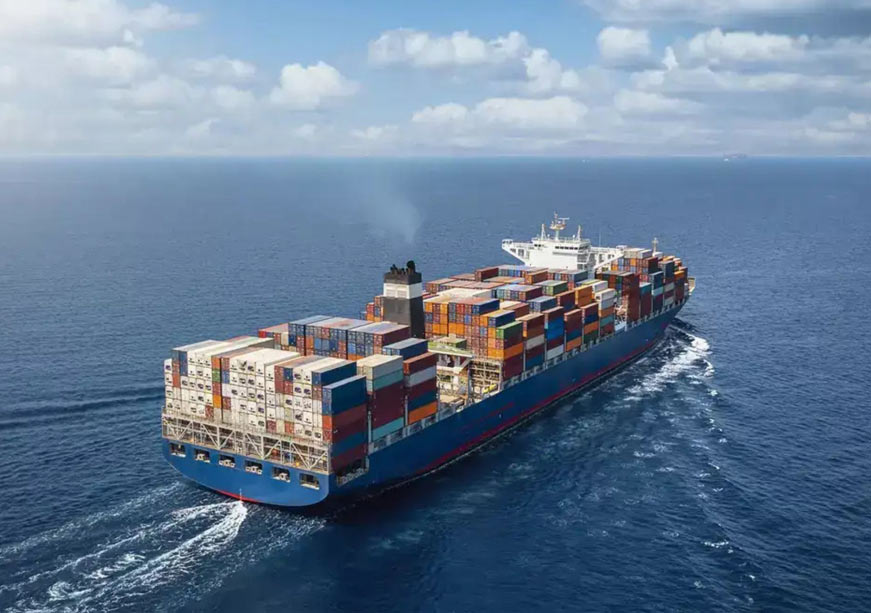

As maritime trade routes evolve into strategic economic corridors, they are redefining global ocean governance at the intersection of connectivity, security, sustainability, and economic resilience ...