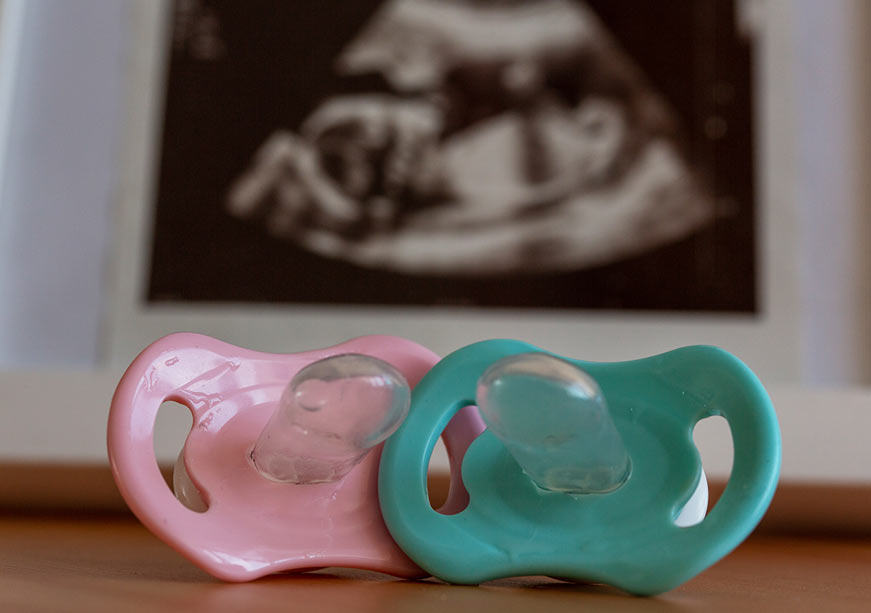
Three decades after the PC&PNDT Act, the ban on sex selection remains necessary, but India must ask whether an ultrasound-centred law still fits modern medical practice ...

Reducing reliance on conventional meat through plant-based alternatives can strengthen food security, improve public health, and advance environmental sustainability ...
The recently released NFHS-6 results allow for an assessment of India’s significant efforts to improve the social determinants of health ...
GLP-1 drugs may curb obesity in India, but lasting health gains require better diets, exercise, and stronger public health systems ...

Qdenga's approval in India is a landmark step forward, but dengue's four-serotype complexity, the lessons of Dengvaxia, and the limits of vaccine-alone strategies make a cautious, integrated public health response not just advisable but essential ...

The Hormuz standoff shows that India’s role as the pharmacy of the world depends not only on drug factories, but also on secure access to energy, petrochemicals, solvents, packaging materials and logistics ...

India has expanded the AIIMS network across underserved regions, but its next phase must focus on attracting and retaining the faculty who make tertiary care work ...

As climate shocks, malnutrition, and diet-related diseases converge across the Global South, repositioning health systems as active anchors within food systems offers a transformative pathway toward nutrition security, climate resilience, and equitable development ...

The National Sample Survey (NSS) 80th round on health shows improved access and insurance coverage, but rising morbidity, dependence on private care, and persistent out-of-pocket spending continue to expose households to financial risk ...

As global AI vendors move closer to public health infrastructure, India must ensure that the systems shaping care remain accountable to the people they serve ...

If the PABS negotiations yield a system where biological resources flow freely but benefits remain contingent, then the Pandemic Agreement will have codified inequity rather than corrected it ...

As Poshan Pakhwada 2026 highlights the first 1000 days, India’s nutrition and care agenda must shift from access to impact—prioritising diet quality, complementary feeding, and sustained behaviour change to deliver meaningful outcomes ...

GenomeIndia highlights the need to ground precision medicine in India’s genetic diversity, linking population-specific data with targeted prevention and more equitable healthcare outcomes ...
.jpg)
The demographic transition towards older societies demands a post-2030 agenda that embeds ageing within human capital, productivity, and social protection systems ...

Regulatory shifts in the US could expand access to peptides with limited clinical evidence, amplifying risks already driven by biohacking culture and grey-market supply chains ...

New GenomeIndia findings point to a more uneven landscape of disease risk, drug response, and underdiagnosed metabolic burden than India’s current medical averages can capture ...

Patients continue to seek treatment from unqualified providers because gaps in access allow visible authority to stand in for verified medical competence. ...

The promise of lenacapavir now depends less on science than on access. ...

The Strategy for Artificial Intelligence in Healthcare for India (SAHI) tries to bring discipline to health AI adoption, shifting the focus from pilots to how tools are evaluated, monitored, and held accountable in real-world care ...

As wars hollow out hospitals, vaccination systems, water access, and humanitarian space, attacks on health workers expose how conflict is turning care itself into a battlefield ...

As health systems rely more heavily on digital platforms, genomic data, and cross-border scientific exchange, trust in global health will increasingly depend on whether the infrastructures that carry it can be kept secure ...

Artificial intelligence can strengthen the One Health approach in India, but its impact will depend on integrating fragmented health, veterinary, and environmental surveillance systems ...

India has built important One Health institutions, but leadership will depend on whether it can connect science, surveillance, standards, and governance across sectors ...

Research on sustainable food systems and climate resilience is growing, yet action lags because evidence seldom reaches policymakers, practitioners, and the public in accessible, actionable forms ...

As climate shocks raise food prices, erode diet quality, and deepen exposure to unsafe food, the urban poor reveal why One Health must also be a framework for food justice ...

Protein has become a question of trade, feed systems, animal health, and ecological risk, which is why protein politics belongs within the One Health frame of World Health Day 2026 ...

Ashish Upreti is a serving Indian Army officer with over 25 years of experience in operations, crisis management and strategic communications. He has represented India at international forums and written articles and opinion pieces for national and international publications. In ...
Read More +
Ashish Upreti is a serving Indian Army officer with over 25 years of experience in operations, crisis management and strategic communications. He has represented India at international forums and written articles and opinion pieces for national and international publications. In ...
Read More +