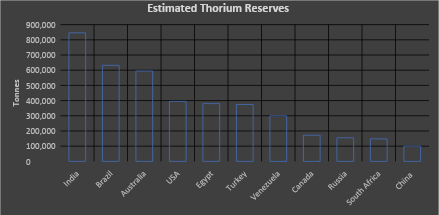
Source: World Nuclear Association
On 6 April 2026, India's 500 MWe (megawatt electric) Prototype Fast Breeder Reactor (PFBR) at Kalpakkam achieved first criticality (initiated a self-sustaining nuclear chain reaction), making India only the second country after Russia to operate a commercial-scale fast breeder reactor. The technology development and design of the PFBR was indigenously done by Indira Gandhi Centre for Atomic Research (IGCAR), an R&D (Research & Development) Centre of the Department of Atomic Energy, and was built & commissioned by Bharatiya Nabhikiya Vidyut Nigam Ltd (BHAVINI), a public sector unit (PSU) under the Department of Atomic Energy of the Government of India.
Fissile isotopes of heavy elements such as uranium and plutonium are the essential nuclear materials in both nuclear reactors and nuclear weapons. They undergo fission when they absorb neutrons and, on average, release more neutrons than they absorb. This makes a sustained chain reaction possible in a “supercritical mass.” This supercritical mass must contain a significant concentration of fissile isotopes and must be large enough so that only a small fraction of the neutrons escapes without interacting.
The most important fissile isotopes are uranium-235 and plutonium-239. Uranium-235 is found in nature, constituting 0.7 percent of natural uranium. Plutonium-239 is created when uranium-238 (99.3 percent of natural uranium) absorbs a neutron. The vast majority of deployed nuclear power reactors around the world use low-enriched uranium (enriched to 4-5 percent in uranium-235) and use a neutron “moderator” (in most cases, ordinary water), which also serves as the reactor coolant that slows the neutrons and increases the likelihood that they will be captured by uranium-235 and cause it to fission. Such reactors are called “light-water reactors” to distinguish them from the “heavy-water reactors” developed by Canada, which are fuelled by natural uranium. In both types of reactors, the neutrons lose most of their energy in collisions with hydrogen, ordinary hydrogen in light-water reactors and heavy-hydrogen or deuterium in heavy-water reactors. In both types of reactors, some of the extra neutrons from uranium-235 fissions are also captured by uranium-238, converting it into chain-reacting plutonium-239, but not enough to replace the fissioned uranium-235.
A plutonium breeder reactor produces more plutonium than it consumes by using its extra fission neutrons to convert uranium-238 to uranium-239, which changes by radioactive decays involving electron and neutrino emission into neptunium-239 and then plutonium-239. Virtually all breeder reactor programs have focused on reactors that do not use water as a coolant, so that the neutrons propagating the chain reaction remain energetic (fast). In order to be supercritical with fast neutrons, the “cores” of breeder reactors contain over 20 percent of fissile material, usually plutonium-239 mixed with natural or “depleted uranium” (the residue after uranium-235 has been extracted from natural uranium by uranium-enrichment plants).
In general, PFBRs use uranium-plutonium mixed oxide (MOX) fuel. In the context of India’s PFBR, approximately 20 to 30 percent plutonium dioxide (PuO2) is mixed with depleted uranium dioxide (UO2). The core of PFBR is surrounded by a blanket of uranium-238. Fast neutrons convert fertile uranium-238 into fissile plutonium-239, enabling the reactor to produce more fuel than it consumes. The reactor is designed to eventually use thorium-232 in the blanket. Through transmutation, thorium-232 will be converted into uranium-233, which will fuel the third stage of India’s nuclear power programme. Because such a reactor produces more plutonium than it consumes, its ultimate fuel is uranium-238, which is 140 times more abundant than uranium-235. The extra plutonium produced by fast-neutron reactors could be used to provide startup fuel for additional plutonium breeder reactors, allowing the number of breeder reactors to grow at a high rate. By recycling plutonium (viewed as a high-level waste product in once-through fuel cycles) into MOX fuel, the reactor extracts significantly more energy from the initial uranium ore while reducing the longevity and volume of radioactive waste. Despite the safety, cost and reliability issues of fast-neutron reactors, this fact determined their choice as the preferred technology at a time when the global population of nuclear power reactors was expected to double every decade indefinitely.
While highly efficient, MOX fuel requires specialised handling. Because plutonium is more radioactive and toxic than uranium, the fabrication of MOX pellets must be conducted in strictly controlled, automated environments to protect personnel. Additionally, the thermal conductivity of MOX is slightly lower than that of pure uranium fuel, requiring precise engineering of the fuel pin geometry to ensure effective heat transfer to the liquid sodium coolant.
Fast breeder reactors cannot use water as a coolant because collisions with the hydrogen nuclei in water quickly remove most of the kinetic energy from the neutrons. Also, in order to sustain a chain reaction with fast neutrons, the fissile material in a reactor core must be more concentrated. As a result, fast-neutron reactor cores are smaller than those of light-water reactors with the same power. This necessitates the use of a coolant that can efficiently carry away the heat. The coolant that has been used in all demonstration breeder reactors, including India’s PFBR, is sodium, a liquid metal that melts at relatively low temperatures. Sodium has both safety advantages and disadvantages compared to water.
Its primary safety advantage is that the reactor operates below the boiling point of liquid sodium (883°C) and therefore at low pressure. By contrast, water-cooled reactors operate at high pressures, over 150 atmospheres for pressurised water reactors. Therefore, if there is a large break in a pipe of a water-cooled reactor, the water flashes into steam, leaving the reactor’s intensely hot fuel without coolant unless the core is flooded with emergency cooling water. In the case of a sodium-cooled reactor, however, unless the break is below the top of the core, the sodium will continue to cover the core and absorb heat.
Sodium’s major disadvantage is that it reacts violently with water and burns if exposed to air. The steam generators, in which molten sodium and high-pressure water are separated by thin metal, have proved to be one of the most troublesome features of breeder reactors. Any leak results in a reaction that can rupture the tubes and lead to a major sodium-water fire. Sodium also creates radiation problems. When it absorbs a neutron, ordinary sodium-23 becomes sodium-24, a gamma-emitting isotope with a 15-hour half-life. The sodium that cools the core, therefore, becomes intensely radioactive. To ensure that a steam-generator fire does not disperse radioactive sodium, reactor designers have inserted an intermediate sodium loop. The heat generated from the reactor is transferred to non-radioactive sodium through a sodium-sodium heat exchanger. The non-radioactive sodium delivers the heat to the steam generators. The extra sodium loops and associated pumps contribute to the high capital costs of breeder reactors.
In a breeder reactor, the concentration of plutonium is high enough that it can sustain a chain reaction even in the event of a coolant loss. Except for special core configurations, the reactivity will increase if the coolant is lost. Furthermore, if the core heats up to the point of collapse, it can assume a more critical configuration and blow itself apart in a small nuclear explosion.
A large fraction of sodium-cooled demonstration reactors have been shut down most of the time that they should have been generating electric power. A significant part of the problem has been the difficulty of maintaining and repairing the reactor hardware that is immersed in sodium. The requirement to keep air from coming into contact with sodium makes refuelling and repairs inside the reactor vessel more complicated and lengthier than for water-cooled reactors. During repairs, the fuel has to be removed, the sodium drained, and the entire system flushed carefully to remove residual sodium without causing an explosion. Such preparations can take months or years.
Fast breeder reactors that use plutonium generate more nuclear fuel than they consume, maximise uranium use, recycle plutonium and open pathways to harness thorium reserves. But the rich rewards come with equally high engineering and economic risks.
Nuclear
India’s decision to open up the nuclear energy sector for private participation is expected to scale up nuclear capacity significantly by 2047 and provide firm and zero-carbon baseload power. Energy transitions are most durable when they deliver tangible welfare gains. India has already reduced the emissions intensity of its GDP by about 36 percent between 2005 and 2020 and became the first G20 country to meet its Paris Agreement commitments nine years ahead of the 2030 timeline.
RE Policy and Market Trends
According to opposition party in Haryana, BJP government in the state had continuously cheated electricity consumers. As per the opposition, under the guise of ‘Solar for Every Home' scheme, the government adopted a policy of offering a subsidy and taking it back. If a solar consumer’s electricity generation fell even slightly short of their consumption in a given month, the government slapped them with a hefty fixed charge, resulting in a full bill. It is of the view that the Dakshin Haryana Bijli Vitran Nigam (DHBVN) and Uttar Haryana Bijli Vitran Nigam (UHBVN) proposed a 15 percent-17 percent increase in electricity tariffs for 2026-27. This proposal will put an additional burden on domestic, commercial, and industrial consumers, and the public will be hit with another shock of expensive electricity. Referring to changes in electricity rates last year, the opposition highlighted that the BJP already gave the public a major shock by changing the tariff slabs. Giving an example, said it explianed the electricity bills of consumers who earlier paid INR900 suddenly rose to INR4000.
Bharat Petroleum Corporation Ltd (BPCL) is scouting global opportunities, ranging from acquisitions to strategic investments in solar, wind and hydropower. The refiner is pursuing renewable energy alongside refinery expansions, stressing that conventional fuels will remain critical to meeting India’s fast-growing energy demand. Companies in India, the world’s third-largest emitter of greenhouse gases, are investing billions of dollars to cut emissions, while also expanding fossil fuels as economic growth is expected to drive petrochemical and fuel demand. The nation has set a target of reaching net zero by 2070. The strategy will complement BPCL’s expansion plans, as it targets building up to 2 gigawatt (GW) of renewable capacity by 2028.
NLC India Ltd (NLCIL) has inked a memorandum of understanding (MoU) with the Gujarat Government for development of large-scale renewable energy projects in the State. The MoU is non-binding in nature and envisages the development of large-scale renewable energy projects in the State, including solar, wind, hybrid and Battery Energy Storage Projects, with an aggregate investment potential of approximately INR250 (US$2.67) bn and generation of substantial employment opportunities. The proposed projects will be developed through NIRL, a wholly owned subsidiary of NLCIL. This strategic collaboration aligns with NLCIL’s corporate plan to achieve 10 GW of renewable energy capacity by 2030, and underscores the company’s commitment towards sustainable development, energy security and decarbonisation. The collaboration further strengthens Gujarat’s position as a leading hub for renewable energy in the country and contributes to India’s national goals of achieving Net Zero emissions and enhancing the share of non-fossil fuel-based power generation.
India’s renewable energy producers are urging the government to pause new project auctions until stranded projects secure buyers, and warning of deeper, forced output cuts at existing sites if grid problems persist. More than 42 GW of auctioned capacity have yet to be awarded power supply contracts. The power ministry has previously said it aims to accelerate the signing of supply deals by fast-tracking interstate transmission lines, while the renewable energy ministry has partly blamed curtailments on slowing power demand growth.
Himachal Pradesh has set an ambitious goal of becoming a Green Energy State by 2026, with plans to meet over 90 percent of its energy requirements through renewable sources. The state government has initiated a series of measures aimed at a systemic transition towards a clean, self-reliant and sustainable energy future. Harnessing geothermal resources, reflects the government’s commitment to innovative governance and optimal utilisation of Himachal Pradesh’s natural assets. Small-scale geothermal plants could reduce dependence on wood and fossil fuels while providing reliable power to remote villages in districts such as Kullu, Mandi and Lahaul-Spiti. Cold towns like Shimla, Manali and Keylong could particularly benefit from geothermal heating solutions. Geothermal energy would be eco-friendly for households and hotels, while contributing to reduced deforestation. Overall, geothermal energy, would enhance energy security, ensure 24×7 electricity supply and strengthen development in remote and inaccessible regions of Himachal Pradesh.
Assam state has set a target of generating 3,500 megawatt (MW) of solar power by 2030, underscoring the government’s push towards renewable energy and power self-sufficiency. Assam has made significant progress in expanding its solar capacity over the past few years. The project has been jointly developed by SJVN Green Energy Ltd (SGEL), a wholly owned subsidiary of Navratna CPSE SJVN Ltd, and the Assam Power Development Corporation Ltd (APDCL). A 50 MW solar project being developed by SJVN at Borsola in Sonitpur district is likely to be completed by April, which will take the state’s total solar capacity to over 730 MW.
Hydro Power
Arunachal Pradesh has set a target to add 19 GW of hydropower capacity with an estimated investment of INR1.9k bn as part of a strategic shift towards large and mega projects. The state has declared 2025-2035 as the ‘Decade of Hydropower’ to accelerate development in the sector. The state accounts for nearly 40 percent of the country’s hydropower potential, with 58,000 MW capacity, positioning the state as a key contributor to India’s clean energy transition and its net-zero emissions target by 2070.
NHPC Ltd will begin commercial operation of the third unit of its 2,000 MW Subansiri Lower Hydroelectric Project, being constructed at a cost of around INR270 (US$2.89) bn. NHPC is constructing the hydroelectric project (having 8 units of 250 MW each) near North Lakhimpur on the border of Arunachal Pradesh and Assam.
Wind Power
Tata Power Renewable Energy Ltd (TPREL) has commissioned a 198 MW wind energy project for Tata Steel under the group captive model in Karur, Tamil Nadu, marking one of the largest wind projects of its kind in the state. Located in Karur, the project comprises 55 wind turbine generators, each with a capacity of 3.6 MW. Generating around 31 MU of electricity annually, the project is expected to offset about 26,350 tonnes of carbon dioxide emissions every year.
Roof Top /Distributed Solar Projects
Concerns over electricity bills in Tripura are easing as rooftops, tin sheds and household courtyards are being used to generate power and income under the Prime Minister (PM)’s PM Surya Ghar Muft Bijli Yojana. Tripura State Electricity Corporation Ltd (TSECL) said 740 electricity consumers in the state earned money by selling surplus solar power back to the grid after installing rooftop solar panels under the scheme. The Tripura government is pushing implementation of the PM Surya Ghar Muft Bijli Yojana with a target to cover 50,000 families by 2027, including households without concrete roofs. The project involves total govt expenditure of INR750.21 billion (US$8.02 bn) and is to be implemented from 2023–24 to 2026–27, with the Centre offering subsidies and financial incentives for solar capacity installation.
The Andhra Pradesh (AP) government has set a target of completing 2 lakh rooftop solar connections by May 2026 under the PM Surya Ghar – Muft Bijli Yojana. The state directed APSPDCL to ensure preparedness and close monitoring of feeder solarisation and rooftop solar projects to guarantee quality execution and long-term performance. Land acquisition, lease registrations, clearance, and project execution were asked to be completed soon. The government aims to complete 1.5 lakh rooftop solar connections by March 2026 and the remaining by May 2026.
Kanpur has emerged as a major contributor to Uttar Pradesh’s renewable energy drive, generating around 64 MW of electricity through rooftop solar systems installed under the Pradhan Mantri Surya Ghar Yojana. According to data, a total of 20,756 rooftop solar systems have been installed across the district. As per the UP New and Renewable Energy Development Agency (UPNEDA), Kanpur secured the third position in the state in terms of rooftop solar installations. As per the energy experts, the current generation of 64 MW is equivalent to nearly 96 million units (MU) of clean electricity annually, with an estimated economic value ranging between INR340 million (US$3.63 mn) and Rs380 mn at prevailing market rates. The pace of rooftop solar installations has remained steady since the launch of the PM Surya Ghar Yojana in February 2024. Currently, around 80 to 90 new rooftop solar systems are being installed every day in the district.
The Tripura Renewable Energy Development Agency (TREDA) was awarded the silver medal for its exceptional contribution to national welfare by implementing solar-powered microgrid projects in remote tribal regions. The recognition highlights TREDA’s impact in the challenging and hilly tribal areas of northeast, where traditional electricity infrastructure is often not feasible. For years, the northeast have faced issues with irregular or non-existent power supply, impacting education, healthcare, livelihoods, and overall quality of life.
Utility Scale Solar Projects
Infrastructure company Ceigall India Ltd has received a Letter of Award (LoA) from Rewa Ultra Mega Solar Ltd for the development of Unit 1 at Morena Solar Park, with an installed capacity of 220 MW. The project is part of a 440 MW tender floated by RUMSL for the Morena Solar Park in Madhya Pradesh. The awarded project comprises both solar power generation and Battery Energy Storage Systems (BESS) components. It is a tariff-based contract, with Ceigall quoting a tariff of INR2.70 per kilowatt hour (kWh). The total project value, including goods and services tax, is estimated at around IINR17 billion (US$182 mn). According to the company, the LoA has been awarded by a domestic entity. The project is scheduled to be executed over a construction period of 24 months, followed by an operational period of 25 years.
NTPC Green Energy Ltd (NGEL) has successfully commenced commercial operations of an additional 14.43 megawatt (MW) solar capacity at its Khavda-I Solar PV Project in Gujarat. This marks the eleventh segment of the total 1,255 MW Khavda-I Solar PV Project, which is part of the CPSU Scheme Phase-II, Tranche-III. The new capacity began operations on 10 February, 2026. The project is being executed by NTPC Renewable Energy, a subsidiary of NGEL, and plays a significant role in NTPC Group’s broader renewable energy strategy. With this addition, NGEL’s total commercial capacity now stands at 8,827.68 MW, further strengthening its position as one of India’s leading producers of renewable energy.
NTPC Renewable Energy Ltd, a wholly owned subsidiary of NTPC Green Energy Ltd (NGEL), has commissioned 300 MW part capacity of the Bhadla solar photovoltaic project in Phalodi, Rajasthan. The total capacity of the project is 500 MW. Furthermore, NGEL’s current commercial capacity stands at 8,010.28 MW. The newly commissioned capacity will increase it to 8310.28 MW. NTPC Renewable Energy floated a tender for the engineering, procurement, and construction (EPC) of a 250 MW solar project. Furthermore, NTPC Renewable Energy Limited issued an EPC tender for the development of a 300 MW interstate transmission system connected ground-mounted solar project.
NTPC, NLC India, and Adani Green Energy have successfully commissioned a combined 321.6 MW of solar power capacity, marking another significant milestone in India’s renewable energy journey. These projects reflect the growing role of public and private sector players in accelerating the country’s clean energy transition. NTPC continues to expand its renewable portfolio as part of its long-term strategy to reduce dependence on fossil fuels. The newly commissioned solar projects add to its ambition of achieving large-scale renewable capacity in line with national climate commitments. NLC India has strengthened its presence in the solar sector through these new installations. Traditionally known for thermal power generation, the company has been steadily into renewables, reflecting a broader shift within public sector enterprises towards sustainable energy. Adani Green Energy, one of India’s leading renewable developers, contributed a major share of the commissioned capacity. The company remains a key driver of utility-scale solar deployment, with aggressive expansion plans to support India’s clean energy and net-zero goals. The newly commissioned projects are expected to generate significant amounts of clean electricity, reducing greenhouse gas emissions and lowering the carbon intensity of the national power mix. Solar power plays a critical role in replacing coal-based generation and improving environmental outcomes.
According to state Water Resources Ministry, Maharashtra will implement floating solar projects on dam reservoirs across the Krishna and Godavari basins. The initiative aims to bolster power generation while promoting green energy to safeguard the environment. The state has directed the water resources department to expedite floating solar initiatives. To ensure financial viability and technical excellence, department officials have suggested a public-private partnership (PPP) model for the rollout. This approach is expected to attract significant foreign investment and global expertise in renewable technology.
North & South America
French oil major TotalEnergies signed two long-term deals to supply solar power to Google’s data centres in Texas, as it looks to tap rising electricity demand driven by artificial intelligence. Total will deliver 1 GW of capacity - equivalent to 28 terawatt hour (TWh) of renewable power over 15 years - from two Texas sites owned by the group that are due to begin construction in the second quarter. The company has bucked the trend among oil majors by continuing to invest in renewable energy alongside gas-fired power plants, expanding its power business in deregulated markets where price volatility can create attractive trading opportunities, including the ERCOT market in Texas.
United States (US) residential solar companies are preparing for a steep drop in business this year after the expiration of a federal tax credit that helped drive more than a decade of rapid growth, prompting layoffs, restructurings and some company failures. The 30 percent federal income tax credit for homeowners who purchase rooftop systems expired at the end of 2025 under President Donald Trump’s tax overhaul. That has caused the most labor-intensive segment of the solar industry to contract sharply at a moment when it was already weakened by high interest rates and shrinking state-level incentives. Trump has enacted widespread cuts to clean energy subsidies since taking office last year, arguing solar and wind power are more expensive and less efficient than fossil fuels and dismissing concerns about climate change. Solar analytics firm Ohm Analytics last year slashed its forecast for residential solar panel installations due to the loss of the tax credit. It now expects them to decline 20 percent in 2026, instead of rise 8 percent.
Canadian Solar has won a US patent dispute against Maxeon over its solar cell technology. In 2024, Maxeon had filed a patent infringement lawsuit related to Canadian’s solar cell technology, TOPCon. Maxeon, which designs and manufactures solar panels, said that it will continue to defend its intellectual property rights.
Europe
Wind and solar power for the first time generated more electricity in the European Union (EU) than fossil fuels in 2025, driven by a surge in solar output. Wind and solar made up a record 30 percent of the 27-country bloc's power last year, overtaking fossil fuels that contributed 29 percent. Solar alone was responsible for 13 percent of power generation and expanded by more than 20 percent for the fourth year running, surpassing both coal and hydro. Solar generation grew in all EU countries amid widespread solar panel installations, and supplied more than a fifth of electricity in Hungary, Cyprus, Greece, Spain and the Netherlands in 2025.
Britain secured a record amount of solar power in an auction offering guaranteed electricity price contracts to renewable projects, the government said, as it seeks to meet its clean energy targets and drive down costs. The country has a target to largely decarbonise its electricity sector by 2030, which will require a huge scale-up of renewable power, including wind and solar. A total of 6.2 GW of onshore wind, solar and tidal power projects won contracts with the bulk, some 4.9 GW, going to solar.
The German government plans to charge renewables companies for connecting to the electricity grid as part of efforts to meet the fast-rising demand for expansion. Germany is among the European countries pushing ahead with a green energy agenda, despite intensifying criticism from US President Donald Trump. Wind and solar power produced more electricity than fossil fuels in the European Union for the first time last year. The draft law is intended to create incentives for construction in locations that are advantageous for the grid.
Danish wind farm operator Orsted had agreed to sell its European onshore renewables business to private equity group Copenhagen Infrastructure Partners for €1.44 bn (US$1.7 bn) as part of a plan to bolster its finances. Orsted wants to focus on its larger-scale offshore wind business in Europe, where significant capacity is expected to be tendered in coming years. The Danish company’s European onshore renewables business spans onshore wind, solar energy and battery storage projects in Ireland, Britain, Germany and Spain, with 578 MW of operational capacity and 248 MW under construction. Orsted’s US (United States) onshore renewables operations are not part of the deal it has struck with Copenhagen Infrastructure Partners and remain under its control. Copenhagen Infrastructure Partners focuses on energy infrastructure investments, including solar photovoltaic, onshore and offshore wind and energy storage projects and has raised a total of €35 billion of capital across 13 funds.
Spanish households and companies installed fewer rooftop solar power systems last year after the withdrawal of some tax deductions, solar industry group UNEF said, with overall installed capacity reaching 9.3 GW. Once the impact of those subsidies faded, new installations began to decline. Inflation squeezing household budgets and lower energy prices reducing the incentive to cover upfront costs also contributed. Households and companies added 1,139 MW of rooftop capacity last year, 3.7 percent less than in 2024.
Italian solar power production rose 25 percent last year compared with 2024 to a new record of 44.3 TWh, the country’s power grid operator Terna said. Hydroelectric output, after a bumper 2024, dropped 21 percent and wind power was slightly down. Overall, power generation from renewables covered 41 percent of Italian demand, down from 42 percent. Italy added 7.2 GW of green energy capacity last year compared with 7.5 GW in 2024, in a sign that the country needs to quicken the roll-out of renewables to meet its decarbonisation targets for 2030.
Africa & Middle East
Saudi Arabia will invest US$2 bn to build two solar farms with total capacity of 2,000 MW in Turkey, the Turkish Energy Minister Alparslan Bayraktar said. Bayraktar and his Saudi counterpart Prince Abdulaziz bin Salman signed an agreement on renewable energy power plant projects, Bayraktar said. Under the agreement, Saudi companies will construct a solar power plant in the eastern province of Sivas and another in central province of Karaman with a total capacity of 2,000 MW in the first phase, Bayraktar said. The total capacity of solar and wind power plants that the Saudi Arabian companies will construct will reach 5,000 MW. The US$2 bn solar power plants will meet the electricity needs of 2.1 million households in Turkey, Bayraktar said.
Nigeria’s Niger State government will work with the Islamic Development Bank to develop a US$163 mn solar electrification project to increase power supply and support agriculture and industry. The project will involve the construction of a 100 MW solar power facility in north-central Nigeria on about 200 hectares of land, providing electricity to several communities across the state.
Abu Dhabi-based Global South Utilities (GSU) has completed the handover of two solar power plants in Yemen to the country’s Public Electricity Corporation after Yemeni authorities requested the withdrawal of all Emirati companies from the country, GSU informed the Public Electricity Corporation of the evacuation of all operations and maintenance teams from the Aden solar power plant, which has capacity of 120 MW, and the 53 MW Shabwa solar power plant in a letter dated 22 January. GSU had planned to establish a US$1 bn energy project portfolio in Yemen, with combined capacity exceeding 1,000 MW, alongside plans for sustainable transmission and distribution infrastructure. It said that several renewable energy projects under development in Yemen had been paused after its exit from the country. Owned by Resources Investment, an Abu Dhabi-based investment company, GSU is expanding its presence in Africa and Asia, with a focus on solar, wind and hybrid energy projects.
China
China’s mostly coal-based thermal power generation fell in 2025 for the first time in 10 years, government data showed, as growing renewable generation met growth in electricity demand even as overall power usage hit a record. The data is a positive signal for the decarbonisation of China’s power sector as the country sets a course for carbon emissions to peak by 2030. Still, coal output edged up to a record high last year. Thermal electricity, generated mostly by coal-fired capacity with a small amount from natural gas, fell 1 percent in 2025 to 6.29 trillion kWh, according to the National Bureau of Statistics (NBS). It fell more sharply in December, down by 3.2 percent, from a year earlier.
Other Asia Pacific
Australia’s wholesale electricity prices fell to the lowest in four years in 2025, bucking the rising price trends seen elsewhere and validating claims that renewables-heavy power system overhauls can help lower consumer power costs. Increased battery storage capacity and solar farms should allow utilities to limit operating costs, with those savings potentially passing through to households and businesses as soon as this year. Australia’s electricity system has undergone one of the world’s most aggressive revamps over the past decade, with clean electricity output more than doubling since 2019. Australia’s rapid build-out of clean power capacity resulted in a critical power mix milestone being reached in 2025, when more utility electricity supplies came from clean power sources than fossil fuels for the first time. Considering that fossil fuels still accounted for more than 70 percent of Australia’s electricity mix through most of 2021, the pace of clean power growth since then underscores the extent of Australia’s utility sector retooling.
Australia hit a new clean energy milestone during the December quarter, even as power demand rose over 2.2 percent from a year earlier, the Australian Energy Market Operator (AEMO) said. Rooftop solar, wind and grid-scale solar output all rose by double digits, reflecting new capacity that is coming online as well as improved wind conditions, AEMO said. Coal and gas generation together fell below 50 percent of the generation mix, driving grid emissions to a record quarterly low of 23.4 million tonnes of CO2-equivalent. Australia is targeting a 46 percent cut in emissions by 2030 from 2005 levels and is seeking to source 82 percent of electricity from renewables by then.
10th Indian ship crosses Strait amid firing by Iranian gunboats
19 April: Amid firing by Iranian gunboats that caused two Indian-flagged tankers to turn back from Strait of Hormuz, the tenth Indian-flagged vessel crossed the strait. Desh Garima, carrying crude oil, was on its way to Mumbai port. Iran had been sporadically allowing Indian vessels to sail through since it decided to block the key energy strait last month in the middle of its war with the United States (US) and Israel which began on 28 February. Vessel details available on Maritime Traffic show that several Indian- and foreign flagged ships destined for Indian ports are still waiting to cross the Hormuz. 13 Indian vessels are in Persian Gulf (to west of Hormuz), six in Gulf of Oman (east of Hormuz), one in Gulf of Aden and three in Red Sea. According to petroleum ministry, 17 vessels have been identified for evacuation, which include four LPG carriers, three LNG carriers and 10 crude oil tankers.
LPG pipeline expansion plan to attract INR125 bn investment: PNGRB
17 April: The Petroleum and Natural Gas Regulatory Board (PNGRB) has opened bidding for the development of liquefied petroleum gas (LPG) pipeline infrastructure in a significant way to eliminate bulk movement to the extent possible, the regulator said. The proposed pipelines are designed to connect key supply sources, including refineries and import terminals with LPG bottling plants, ensuring seamless evacuation, and distribution of LPG across multiple regions, it said. The four proposed pipelines include Cherlapally-Nagpur pipeline, Shikrapur-Hubli-Goa pipeline, Paradip-Raipur pipeline, and the Jhansi-Sitarganj pipeline. The board aims to abolish the road transportation of bulk LPG by 2030. The cumulative length of these proposed pipelines will be 2,500 kilometre (km). These pipelines would attract a tentative investment of INR125 billion, it said. The regulator said that eliminating the bulk transportation of LPG through this project would significantly reduce greenhouse gas emissions and contribute to India’s climate goals by replacing fuel transportation via tankers with an efficient pipeline system.
Indian Oil Corporation ups auto LPG supply by 300 percent
17 April: In the backdrop of LPG (liquefied petroleum gas) crisis, which has taken a toll on auto drivers across the city, Indian Oil Corporation (IOC) announced that it has increased its auto LPG supply volumes by nearly 300 percent to meet the demand. The oil company supplied 75.5 metric tonnes (MT) of auto LPG in the city, higher than the usual daily supply of around 23 MT prior to the crisis. Similarly, across Karnataka, it has doubled its supplies by dispatching over 83 MT in recent days, compared to its pre-crisis average of around 43.5 MT per day to support the state’s requirements. The surge in demand has been largely driven by disruptions at private auto LPG dispensing stations (ALDS), which typically account for nearly 80 percent of the auto LPG market in Bengaluru and across Karnataka.
India is considering request from Mauritius for energy supplies
17 April: India is considering a request for energy supplies from Mauritius and wants a government-to-government pact with the country, Indian foreign ministry said. India is already shipping fuel to neighbours Bangladesh, Nepal, Bhutan and Sri Lanka and had received a request from Maldives as well. India, which depends on the Strait of Hormuz for 40 percent of its crude imports, has been invited by Britain and France to join their initiative to open the key conduit, the ministry said.
Indian refiner RIL rejects Iran oil cargoes as waiver deadline looms
17 April: Indian refiner Reliance Industries Ltd (RIL) has rejected two Iranian oil cargoes as they failed to meet its compliance requirements, the Indian refiner said, just days before the expiry of a US (United States) waiver that has lifted sanctions on Iranian oil exports. India had allowed RIL to buy Iranian oil that was loaded on to five tankers, including the aframax Kaviz vessel, and the supertankers Lenore, Felicity and Hedy, all of which were under US sanctions. RIL was in talks relating to the Iranian-flagged Derya, carrying 2 million barrels of crude oil, which was anchored near the port of Sikka on India’s west coast, ship-tracking data on the MarineTraffic platform showed. The vessel was detected around India’s coast on 14 April, based on satellite analysis from data analytics specialists SynMax. RIL said it was not buying the cargo on board the Lenore. Indian Oil Corporation (IOC), the country’s top refiner, bought a 2-million-barrel cargo on the supertanker Jaya, which was India’s first purchase of Iranian crude in seven years.
India’s RBI asks state oil refiners to curb spot dollar buying
16 April: India’s central bank has urged oil refiners to curb spot dollar purchases and tap a special credit line for their foreign exchange needs, reviving measures used earlier in the Ukraine war to ease pressure on the rupee. A surge in oil prices and heavy foreign portfolio outflows have battered the Indian currency. The rupee has fallen more than 3 percent to record lows this year, making it Asia's worst-performing major currency. The refiners have been asked to access the credit line via the State Bank of India (SBI). Since the large lender already handles sizeable merchant flows, funneling oil-related FX demand through SBI can help reduce the overall market impact. The refiners are being encouraged to route daily dollar purchases through SBI instead of multiple banks, the source said, because pooling dollar demand with one lender would help better manage the market impact. The credit line is available to major state-run refiners Indian Oil Corporation (IOC), Hindustan Petroleum Corporation Ltd (HPCL) and Bharat Petroleum Corporation Ltd (BPCL), which together control about half of India’s 5.2 million barrels per day of refining capacity. Refiners can either buy dollars at the Reserve Bank of India (RBI) reference rate or draw on the credit line for their FX needs. The credit line can alleviate immediate dollar demand from the market, supporting the rupee.
India to clock 6.3 percent growth even if crude price averages US$130/barrel in FY27: S&P
16 April: S&P Global Ratings said India is expected to grow at 6.3 percent if the oil price averages US$130/barrel in the current fiscal year amid the West Asia crisis. It said that the fiscal strain from the energy price shock is unlikely to impact India's sovereign credit rating, as India has the "political commitment to fiscal consolidation" over the long term. S&P said considering a baseline assumption of crude at US$85/barrel, India will grow 7.1 percent in 2026-27.
India ramps up PNG adoption with over 5 lakh new connections
21 April: India has accelerated its shift to piped natural gas (PNG), with more than 5.01 lakh new PNG connections gasified since March and over 5.68 lakh consumers registering for fresh connections, even as authorities manage LPG (liquefied petroleum gas) supplies amid geopolitical disruptions. With the war in West Asia disrupting cooking gas LPG supplies, the government is pushing households as well as industries to move to piped natural gas — a more convenient alternative whose supplies have not been very badly hit. LPG users within the reach of a PNG connection have been asked to shift, while orders have been issued for expediting approvals for laying of pipelines that supply gas to burner tips.
Kandla Port ships advanced LNG tanks to Bahamas in landmark export boost for India’s energy engineering sector
19 April: India has marked a significant step in global energy infrastructure exports, with the first batch of specialised liquefied natural gas (LNG) storage tanks dispatched from Kandla Port for a mini-LNG terminal project in Nassau, Bahamas. The shipment, led by INOX India Ltd, highlights the country’s growing role in delivering complex, high-value engineering solutions worldwide. The tanks are part of a major project being developed for Island Power Producers in the Bahamas. Once completed, the facility will support island-based power generation using LNG, offering a cleaner and more efficient energy alternative. The consignment includes advanced cryogenic tanks designed for safe storage and handling of LNG, along with a regasification system. The project represents one of the largest installations of shop-built, double-walled vacuum-insulated LNG tanks globally. A total of 10 high-capacity tanks are being supplied under what is described as INOXCVA’s biggest LNG order to date.
Coal ministry launches 15th round of commercial auctions
17 April: The coal ministry launched the 15th round of commercial coal Mine auctions in which a total of 11 blocks are being offered, including 7 fully explored and 4 partially explored mines. Of these, 3 mines are being offered under the Coal Mines (Special Provisions) Act, 2015 (CMSP) and 8 under the Mines and Minerals (Development and Regulation) Act, 1957 (MMDR). It includes 1 coking coal block and remaining 10 are non-coking coal blocks, catering to the requirements of key sectors such as steel and power. Additionally, 6 coal mines are also being offered of 2nd attempt of the 13th round, the ministry said.
CERC proposes Grid India as market coupling operator
21 April: Central Electricity Regulatory Commission (CERC) has proposed that Grid Controller of India Ltd (Grid India) function as market coupling operator (MCO), in a bid to establish uniform price discovery across all power exchanges. As a Market Coupling Operator, Grid India will be responsible for aggregating bids for each market segment received across all Power Exchanges and ensuring an efficient price discovery. CERC brought out the draft Central Electricity Regulatory Commission (Power Market) (Second Amendment) Regulations, 2026.
Haryana turns the heat on power thieves, to recover INR82 bn
20 April: The Haryana government has launched an aggressive campaign to recover INR82 billion in unpaid electricity bills, warning defaulters that their homes and lands will be seized if debts are not settled within 15 days. In an unprecedented move, state energy utilities will leverage the Land Recovery Act to attach the immovable properties of consumers whose connections have been disconnected permanently, effectively treating power arrears as land revenue tax defaults. State’s Energy Minister Anil Vij announced that notices would be issued to all major defaulters. Those who fail to pay within the 11th-hour window will face civil recovery proceedings, including the auctioning of their properties. The recovery drive also targets electricity theft. Consumers caught in illegal tapping schemes will be given "one final opportunity" to settle outstanding fines and dues under the same Land Recovery Act provisions before facing criminal and civil property forfeiture. As the region enters the peak summer season, the ministry has introduced a "zero-tolerance" policy for power disruptions. Faulty transformers must be replaced within two hours in urban areas and four hours in rural sectors. Mobile transformer trolleys have been stationed at every subdivision to bypass local grid failures. Crews are under orders to prune trees near 11 kilovolt (kV) and 33 kV feeders to prevent outages during seasonal storms.
India’s power transmission sector to see INR9 tn capex push by 2032
20 April: India’s transmission and distribution (T&D) sector is poised for a sustained expansion cycle, supported by an estimated capital expenditure of around INR9 trillion through 2032, even though ordering activity has softened in FY26 due to temporary constraints, according to Motilal Oswal Financial Services report. The report noted that the T&D value chain continues to benefit from a strong capital expenditure pipeline, stating that the investment cycle, which began in FY22–23, has already driven significant growth in order books, revenues, and profitability across industry players.
Bangalore Electricity Supply Company takes INR28 bn hit, consumers to pay more for next 1 year
18 April: With Bangalore Electricity Supply Company (Bescom) incurring INR28.03 billion losses during 2024-25 due to rising power cost, power consumers across its eight districts will have to pay 56 paise more per unit for a one-year period starting May 2026. The move, approved by Karnataka Electricity Regulatory Commission (KERC), will further strain household budgets. The charges are pegged to consumers' actual electricity usage in 2024-25. The revised tariff will come into effect from the first meter reading after 1 May 2026, and continue until 30 April 2027, ensuring the financial burden is spread out evenly over a year. The situation was aggravated by the decision to reduce energy charges for industrial and commercial consumers by an average of 75 paise per unit. Plus, poor rainfall during 2024-25 led to a surge in electricity consumption for irrigation pumps, exceeding approved levels by 2,500 million units. KERC has said the deficit must be recovered strictly from consumers active during 2024-25.
Patna HC seeks reply on electric grid in dense area
15 April: Taking cognizance of a writ petition filed against construction of 33 kilovolt (KV) electric grid station in the vicinity of a densely populated residential locality, the Patna high court (HC) sought reply from state government’s housing board and South Bihar Power Distribution Company Ltd (SBPDCL). SBPDCL was constructing an electric substation (grid) in Hanuman Nagar without ensuring compliance of basic safety measures. The land where the electric substation is coming up is earmarked for a shopping area and the construction is not in accordance with master plan 2031 of state capital. The court directed the housing board to furnish records to show how the land was allocated for construction of a 33 KV electric substation.
Kerala’s electricity consumption breaks records amid heatwave
15 April: Kerala’s electricity consumption has surged to unprecedented levels amid intense summer heat, with the state recording its highest-ever power demand on 14 April. Electricity Minister K Krishnankutty said the total daily consumption reached 112.52 million units, the highest recorded so far this month. During peak hours, power demand touched 6,012 megawatt (MW), marking an all-time high in the state’s history, he said.
SAEL Industries commissions 600 MW solar plant in Andhra Pradesh
21 April: SAEL Industries announced the commencement of operations at its 600 megawatt (MW) solar power plant in Kurnool, Andhra Pradesh. The project has been developed as two 300 MW units through the company’s subsidiaries, SAEL Solar MHP1 Pvt Ltd and SAEL Solar MHP2 Pvt Ltd. Spread across more than 2,400 acres, the plant will supply solar power directly to the national grid. The company said it has signed a 25-year power purchase agreement with the Solar Energy Corporation of India (SECI), providing long-term revenue visibility for the project. SAEL Industries said the plant will help reduce around 11 lakh tonnes of carbon emissions annually, adding to the environmental gains expected from large-scale renewable energy deployment.
Kolhapur industrialists threaten protest against grid support charges imposed on solar power installations
21 April: Commerce and industrial associations have warned of protests and even shifting operations to Karnataka if the Maharashtra Electricity Regulatory Commission (MERC) does not withdraw its order imposing ‘grid support charges' on industrial units with rooftop solar power plants with capacities above 10 kilowatt (kW). Maharashtra Electricity Regulatory Commission (MERC) has imposed grid support charges on large rooftop solar installations to recover costs associated with maintaining grid infrastructure, which enables the export of surplus solar power and balances system load. For 2026-27, the charges have been fixed at INR1.96 per kW, which are expected to rise to INR2.32 per kW in subsequent years. MSEDCL has imposed grid support charges on consumers generating more than 10 kW. Solar users will be forced to purchase costly electricity at night because they cannot use the surplus power they generated during the day.
India may face solar cell crunch from June on local sourcing rules
21 April: India is staring at a severe shortage of solar cells as new rules from June mandate the use of locally made cells, a move that could derail some clean energy projects. The South Asian country has around 25.6 gigawatt (GW) of solar cells production capacity against demand of about 50 GW, with imports from China accounting for more than 90 percent of India’s solar cell demand, the North India Module Manufacturer Association said in the letter. Around 55 percent of solar cells, a key component in making modules that turn sunlight into electricity, are produced in India using older technology and are rarely used in new projects, creating a mismatch between supply and project needs. India, which is banking on solar power generation to meet its 2070 net-zero goal, already mandates the use of locally made modules. However, most of these modules are built using cells imported from China.
India’s renewable energy projected at 359 GW by FY30
18 April: India’s power sector is entering a crucial phase of transition, with expectations of stronger demand recovery alongside rapid expansion in renewable energy capacity, as energy security concerns and climate variability reshape the outlook for the coming years. According to Jefferies report, India’s renewable energy capacity is projected to reach 359 gigawatt (GW) by FY25–30, reflecting sustained policy support and accelerating investment in clean energy infrastructure. The report comes at a time when the country is preparing for a broader rebound in electricity demand after a relatively subdued growth phase. Jefferies expects power demand growth to recover to around 6 percent in FY27, supported by improving industrial activity and weather-related factors. It noted that the 2026 monsoon season could play a key role in shaping consumption trends across sectors.
Madhya Pradesh CM directs focus on solar pumps, affordable power for farmers
17 April: Madhya Pradesh Chief Minister (CM) Mohan Yadav reviewed ongoing schemes under the New and Renewable Energy Department and directed officials to ensure uninterrupted and affordable electricity for farmers. He directed that farmers should be encouraged to adopt solar pumps, with full support and guidance provided to those willing to participate. He instructed officials to work with focus and dedication to ensure affordable electricity for both farmers and citizens, while accelerating the adoption of solar pumps and the implementation of the Prime Minister (PM) Surya Ghar Yojana. He set a target to connect more than two lakh farmers with solar pumps by the end of the current financial year.
Himachal Pradesh CM reviews progress of key hydro project in Kinnaur
15 April: Himachal Pradesh Chief Minister (CM) Sukhvinder Singh Sukhu reviewed the progress of the 450 megawatt (MW) Shongtong-Karcham Hydroelectric Project on the Satluj River during his two-day visit to Kinnaur district. Sukhu inspected key components of the project, including the powerhouse, surge shaft and barrage, and interacted with engineers and workers on-site. Once completed, the project is expected to generate approximately 1,579 million units of electricity annually, significantly strengthening the state's energy capacity and grid stability. It is also projected to contribute nearly INR9 billion annually to the hill state’s economy.
Russia to halt Kazakhstan’s oil flows to Germany via Druzhba
21 April: Russia is set to stop oil exports from Kazakhstan to Germany via the Druzhba pipeline starting from 1 May. An adjusted oil exporting schedule has been sent to Kazakhstan and Germany. A halt to Kazakh flows would add more uncertainty to Germany’s fuel supply as the Iran war disrupts energy shipments from the Middle East only a few years after Berlin’s decades-long energy ties with Russia were upended by the war in Ukraine. Kazakhstan’s oil exports to Germany via Russia's Druzhba pipeline totalled 2.146 million metric tonnes, or around 43,000 barrels per day, in 2025, an increase of 44 percent from 2024, and 730,000 tonnes in the first quarter of 2026. A complete halt would remove about 17 percent of the up to 12 million metric tonnes of oil a year processed by Germany’s PCK refinery - one of the country’s largest - in the north-eastern town of Schwedt, fuel from which powers 9 out of 10 cars in the Berlin and Brandenburg region. Kazakhstan has supplied oil to PCK via the northern spur of Druzhba, which traverses Poland, since 2023 but supplies have been repeatedly interrupted by Ukrainian drone attacks on the Russian section of the pipeline.
China’s March oil throughput slows on Middle East supply risks, crude output hits record
16 April: China’s crude oil throughput in March dropped 2.2 percent year-on-year, as the Iran war curbed refinery runs, while domestic crude output hit a record high. Refinery throughput in the world's second-largest oil consumer in March was 61.67 million metric tonnes, or about 14.52 million barrels per day (bpd), the National Bureau of Statistics data showed. Throughput in the first three months rose 1.1 percent to 184.31 million metric tonnes, or 14.95 million bpd, from a year earlier, according to the data. Refineries used 68.79 percent of their capacity in March, down 0.9 percentage point from a year earlier and down 4.47 percentage points from February, Chinese consultancy Oilchem said. In March, China’s refineries produced 36.13 million tonnes of oil products, down 1.25 percent from a year earlier. Gasoline output fell 2.95 percent to 13.51 million tonnes (MT), while diesel output rose 0.88 percent to 17.49 MT. Kerosene output dropped 3.72 percent to 5.13 MT, the biggest decline among the three, Oilchem said. Data showed that March domestic crude production rose 0.2 percent year-on-year to 19.07 MT, or 4.49 million bpd, a record high for a single month. China’s oil production in the first three months was 54.8 MT, or 4.44 million bpd, up 1.3 percent compared to a year earlier.
Thailand’s PTT offers more fuel oil for May loading
16 April: Thailand’s energy company PTT has offered a larger volume of high-sulphur fuel oil (HSFO) for loading in May than in previous months. PTT offered four cargoes of HSFO in a tender that closes. The cargoes will load from the port of Sriracha. One of the cargoes consist of 18,000 tonnes of fuel oil scheduled to load between 5 and 7 May, while the other three cargoes each consist of 25,000 tonnes, scheduled to load between 15-17 May, 23-25 May, and 29-31 May, respectively. The refiner typically offers one to two HSFO cargoes for loading per month via Sriracha, based on past records.
Trump issues several pipeline permits for US-Canada oil transportation
15 April: United States (US) President Donald Trump issued several pipeline permits, including one for the construction of a new pipeline, to facilitate the transportation of crude oil and petroleum products between the US and Canada, according to the White House documents. The permit authorizing construction was issued to the Bakken Pipeline Company for pipeline facilities at Burke County, North Dakota. Other permits were issued for the maintenance and operation of existing pipelines at border locations in North Dakota and Michigan.
Higher oil output gives Nigeria fiscal space as reforms continue: Finance Minister
15 April: Nigeria’s oil production has risen to 1.8 million barrels a day, Finance Minister Wale Edun said, generating fiscal breathing space that will allow the government to support vulnerable households as it ploughs ahead with reforms. Edun said rising crude production was positive for Nigeria’s revenue, for foreign exchange and for the fiscal situation of the OPEC (Organization of the Petroleum Exporting Countries) member. Edun said the country suffered no fuel shortages thanks to the Dangote refinery. President Bola Tinubu since 2023 has rolled out Nigeria’s most ambitious economic overhaul in decades by ending costly fuel and energy subsidies, devaluing the currency and changing the tax system which - together with rising oil output - has supported economic growth of around 4 percent. But inflation in Africa’s most populous nation is still high, interest rates elevated and fiscal space tight as the government struggles with heavy debt-service costs, weak non-oil revenues and continued reliance on crude exports.
Iran can go up to two months without oil exports before cutting output
15 April: Iran can withstand a complete halt in oil exports of up to two months before being forced to curb production, analysts said, after the US (United States) began blocking shipping in and out of the country’s ports on 13 April. The blockade could prevent roughly 2 million barrels per day (bpd) of Iranian crude from reaching its main buyer China. Any Iranian production shutdowns would add to more than 12 million bpd of supply already disrupted by the regional war, tightening markets further and lifting oil prices. With its exports blocked, Iran faces having to divert crude into onshore storage tanks. Once those tanks are filled, the OPEC member would be required to curb upstream output. Consultancy FGE NextantECA estimates Iran has about 90 million barrels of available onshore crude storage capacity, out of total capacity of roughly 122 million barrels.
Russia pledges further oil supplies to Cuba after dispatching crude cargo
15 April: Russia will continue helping fuel-hungry Cuba with crucial supplies of oil, Foreign Minister Sergei Lavrov said, two weeks after Moscow sent a tanker with around 700,000 barrels of crude to the Caribbean island. Washington stopped oil exports to Cuba from its main ally Venezuela after capturing Venezuelan President Nicolas Maduro on 3 January, triggering acute fuel shortages across the communist-ruled island of almost 11 million people. United States (US) President Donald Trump has threatened punishing tariffs on countries sending crude to Cuba as he seeks to put pressure on the government. The US later allowed the Russian oil delivery to Cuba, this year’s first by Moscow, for humanitarian reasons. Another major supplier, Mexico, halted its shipments. Cuba produces less than a third of the oil it requires.
Japan offers US$10 bn support to help Asian neighbours secure oil
15 April: Japan said it would establish a financial framework worth about US$10 billion to help Asian countries procure energy resources and bolster their stockpiles as Middle East tensions drive prices higher and disrupt supply chains. The support, aimed at preventing knock-on effects on Japan’s own supply chains, would be channelled mainly through state-backed financial institutions such as Japan Bank for International Cooperation (JBIC) and Nippon Export and Investment Insurance (NEXI). Announcing the plan, Prime Minister (PM) Sanae Takaichi said the support would be equivalent to as much as 1.2 billion barrels of oil, or about one year’s worth of crude oil imports by the Association of Southeast Asian Nations (ASEAN). Compared with Japan, Southeast Asian countries hold smaller oil stockpiles, leaving supplies of crude and petroleum products such as naphtha – a key feedstock for plastics – increasingly tight. About 90 percent of crude oil passing through the Strait of Hormuz is destined for Asia, according to Japan’s Agency for Natural Resources and Energy.
Kenya raises retail fuel prices as Mideast conflict drives up crude costs
15 April: Kenya has raised its retail fuel prices by as much as 24.2 percent amid a spike in crude prices and squeezed petroleum supplies caused by the Middle East conflict, the East African country’s energy regulator said. The Energy and Petroleum Regulatory Authority (EPRA), which sets the maximum allowable retail prices for various products monthly, showed a litre of petrol was hiked by 16.1 percent to 206.97 Kenyan shillings (US$1.60). A litre of diesel was also raised by 24.2 percent to 206.84 Kenyan shillings, while kerosene was maintained at 152.78 shillings. The regulator cited the cost of imported products, which they said had risen by as much as 68.7 percent, to justify the hiking of retail prices.
Gas prices could stay above US$3 per gallon until next year: US Energy Secretary
19 April: United States (US) Energy Secretary Chris Wright said he believes gas prices have peaked but predicted that they may stay above US$3 per gallon until next year. Gas prices have risen during the US and Israeli war on Iran and Iranian attacks on nearby countries, creating political headwinds for President Donald Trump ahead of the November midterm elections, where his Republican Party will defend slim majorities in the Senate and House of Representatives.
Slovakia to file lawsuit over EU’s Russian gas ban: PM
17 April: Slovakia will file a lawsuit in the coming days challenging the European Union (EU)’s decision to ban Russian gas imports, adopted by a qualified majority, and will seek a preliminary injunction, Prime Minister (PM) Robert Fico said. The ban on Russian gas imports, to be implemented by late 2027, was cleared by a reinforced majority of countries, allowing the EU to overcome opposition from Slovakia and Hungary when it approved the measure earlier this year.
Bangladesh to import 11 LNG cargoes in May: Petrobangla
16 April: Bangladesh expects to import 11 cargoes of LNG (liquefied natural gas) in May to meet demand during the peak summer season, including two spot cargoes that had recently been awarded, Petrobangla said. Bangladesh has bought 11 spot cargoes since the war started on 28 February. Last year, Bangladesh relied on Qatar for more than half of its annual LNG imports. Dhaka has already sought US$2 billion in external financing to secure fuel and LNG imports.
China and Turkmenistan sign deal to build phase four of Galkynysh gas field
16 April: Turkmenistan’s state gas company and China’s CNPC signed a deal to build the fourth phase of Turkmenistan’s Galkynysh gas field, which produces much of the country’s annual 30 billion cubic meters (bcm) in gas exports to China. Under the deal, CNPC will build a facility for processing an additional 10 bcm of commercial gas per year at the field in the deserts of eastern Turkmenistan, along with drilling new production wells. The project will be entirely financed by Turkmenistan. Turkmengaz head Maksat Babaev said that it will cost US$5.1 billion, and service both domestic and export markets. Turkmenistan, a mostly desert former Soviet republic that borders Iran and Afghanistan, has the fourth largest natural gas reserves in the world, with the bulk of its exports going to China.
French government’s proposed cap on retail margins at gas stations faces stiff industry opposition
15 April: France’s proposal to cap profit margins on transport fuels sold throughout the country’s service stations prompted an immediate backlash from the distribution industry. The French government said it had submitted for consultation a draft decree that would fix prices to ensure fuel distributors did not earn margins higher than those seen in January and February, based on a sliding five-day average of wholesale prices at Rotterdam.
Lawmakers criticize US Energy Secretary for forcing coal plants to keep running
16 April: United States (US) lawmakers criticized Energy Secretary Chris Wright in hearings for ordering aging coal plants to stay open, saying the action stands to raise already-high power bills for consumers and steelmakers. Wright’s department in December ordered two Indiana coal plants, that had been planning to shut permanently, to remain open, saying they would lower the risk of blackouts and ensure access to affordable power. The CenterPoint Energy and Northern Indiana Public Service Company coal plants had planned to be replaced by natural gas and other power sources. Wright has ordered TransAlta to keep a coal unit open at its Centralia plant in Washington state that had been planning to retire at the end of 2025.
Spain and Ireland are set to assess viability of undersea power link
21 April: Spain and Ireland’s Energy Ministers will sign a preliminary agreement on assessing the viability of an undersea power link between the two countries, the Irish government said. A connection would allow the exchange of power between the countries that have significantly increased renewable energy production and would be in line with Europe’s broader focus on security of supply and decarbonisation. For Spain, its lack of power connections with the rest of Europe has long been a source of frustration. Under EU (European Union) targets, by 2030 each European country should have enough power connections to allow it to import the equivalent of at least 15 percent of its electricity production. The capacity of Spain's interconnections so far is less than the equivalent of 3 percent of its production. The Irish and French electricity grid operators are already building a power connection between the two countries. Expected to start operations in 2028, it will be the first interconnector between Ireland and continental Europe.
Texas power supply margins squeezed until grid expansions kick in
21 April: Texas grid operator ERCOT is moving forward with a US$33 billion grid expansion plan to address unprecedented load growth and transmission constraints, including the construction of over 2,400 miles of 765 kilovolt (kV) high-voltage power lines. ERCOT manages about 90 percent of Texas' electricity load and power demand is surging on the back of surging demand from data centers, industrial groups and a growing population. ERCOT’s transmission plan includes the extension of high-voltage transmission in ERCOT West, Far West and North and the Permian Basin. Benefits will include reduced power curtailment of wind and solar power in West Texas, where rapid development of power generation has outpaced transmission infrastructure. However, new transmission lines take several years to come online and this will impact power margins and power deployment in the short term as demand continues to rise. Summer and winter planning reserve margins in the Texas grid will decrease from 2026 through 2030, reaching negative levels by 2028, ERCOT forecast in December 2025.
Premier Energy to buy Macquarie’s Romanian power distribution network for US$824 mn
17 April: Budapest-listed Premier Energy has agreed to buy Evryo Group’s power distribution network from Australia’s Macquarie for about €700 million (US$824.39 million), the companies said. The European energy provider will acquire control of Distributie Energie Oltenia, a regulated electricity distribution network active in the south-western Romanian region of Oltenia, from Macquarie’s asset management arm. Premier Energy said it is considering a potential bond offering to fund all or part of the deal, which is expected to address the current gap in electricity distribution within the company’s principle market, Romania. The transaction is expected to reach financial close in the second half of 2026, the companies said .
Duke Energy seeks price increase in North Carolina to recoup winter power costs
15 April: Duke Energy has sought approval from North Carolina regulators to raise its prices and recover more than US$800 million from customers for higher fuel and power purchase costs incurred during an extreme winter cold snap. It was seeking to recover winter fuel and power costs totaling about US$500 million at Duke Energy Carolinas and US$309 million at Duke Energy Progress, it said, which would on approval raise monthly bills by about US$6.90 and US$7.88, respectively, starting 1 June. Duke Energy Carolinas serves about 2.3 million customers in central and western North Carolina, while Duke Energy Progress supplies about 1.6 million customers in the central and eastern parts of the state. It said electricity demand hit a new winter high of 37,308 megawatt hour (MWh) on 27 January, the highest level ever recorded across Duke Energy’s Carolinas system.
France’s Engie discussing refund for US offshore wind projects with Trump administration
21 April: French utility Engie is in talks with the Trump administration about a possible refund for its US (United States) offshore wind project leases amid the President Donald Trump’s opposition to the technology, CEO (chief executive officer) Catherine MacGregor said. Engie has paused three offshore wind projects in development and booked impairments for its joint venture Ocean Winds since Trump returned to the White House last year. French oil major TotalEnergies has already redirected nearly US$1 billion (€850 million) from offshore wind leases to US oil and natural gas production. Trump has said he finds wind turbines ugly, costly and inefficient, and his administration has moved to increase domestic fossil fuel production.
Poland’s Enea to double renewable spending in 2027 on battery storage rollout
21 April: Polish utility Enea expects to at least double its capital spending on renewable energy in 2027, from the 543 million zlotys (US$151 million) planned for this year. The surge in spending will be driven by the planned commissioning of 866 megawatt (MW) battery storage projects next year, which account for the bulk of Enea’s 1,386 MW storage pipeline.
United States targets 5 GW more nuclear power through low-cost finance
21 April: The Utility Power Reactor Incremental Scaling Effort (UPRISE) program announced by the US (United States) Department of Energy in March will help nuclear companies uprate their reactors and bring dormant facilities back online. UPRISE will benefit leading nuclear plant operators including Constellation Energy, Vistra, Duke Energy, Southern Company and Entergy, because the program’s main focus is on uprates, the process of increasing the maximum capacity of active nuclear plants. Since the 1970s, the Nuclear Regulatory Commission (NRC) has approved 171 uprates, resulting in a gain of around 8 GW as of January 2022. The NRC expects to receive applications for 32 additional uprates by 2032 that would increase the power capacity of the existing nuclear fleet by a further 2.4 GW. UPRISE aims to add 2.5 gigawatt (GW) of new nuclear capacity by 2027 and a total of 5 GW by 2029 – equivalent to adding five new nuclear reactors to the grid without the multi-billion-dollar cost of new construction.
Increase in renewable energy curbs 2025 emissions: IEA
21 April: Global emissions rose at a slower rate in 2025 as the expansion of solar power helped developing countries offset emissions growth in advanced economies, led by the United States, the International Energy Agency (IEA) said in a report. Energy-related carbon dioxide emissions rose 0.4 percent in 2025, slowing from recent years as a boom in solar power supply dominated changes in the supply mix. Overall global energy demand growth eased to 1.3 percent, just below the average of the previous decade, while gas demand growth slowed sharply because of relatively high prices in the first half of the year. In China, which the IEA classifies as a developing economy, emissions fell as the country led additions of solar capacity.
Record 165 GW of wind power capacity added in 2025, led by China
20 April: The global wind industry installed a record 165 gigawatt (GW) of new capacity last year, up 40 percent from 2024 and mostly driven by China, the Global Wind Energy Council (GWEC) report said. Renewable power made up almost half the world’s total electricity capacity last year. This year, oil and gas prices have soared due to conflict in the Middle East and countries are looking for alternatives to meet rising energy demand. The rise in wind capacity installation was driven by strong demand for new onshore wind, which rose by 42 percent to 155.3 GW, the GWEC said, while new offshore wind rose by 18 percent to 9 GW. Asia, led by China and India, commissioned 131 GW of new capacity, which was 80 percent of the global total. China made up the bulk of that, adding a record 120.5 GW of new wind capacity. Europe was the second-highest region for installations, commissioning 19 GW of new capacity. To meet a global goal to triple renewable energy capacity by the end of the decade, the International Renewable Energy Agency has said 320 GW of new wind capacity needs to be installed every year. Therefore, new wind capacity needs to be doubled annually from the current level, the GWEC said. But under current policies, the GWEC estimates a total of 969 GW of new capacity is expected to be added worldwide by 2030, averaging 194 GW per year.
France, other World Bank shareholders seek solution to preserve climate strategy
17 April: World Bank shareholders are looking for ways to keep the development lender’s climate change financing strategy alive in some form after its official expiration at the end of June, France’s Development Minister Eleonore Caroit said. United States (US) President Donald Trump’s administration is demanding the World Bank abandon its target to devote 45 percent of its annual lending resources to climate-related projects, and focus instead on core development lending, including a return to fossil fuel energy projects.
Italy should rethink nuclear power: IEA executive director
17 April: Italy should reconsider its rejection of nuclear energy as it seeks greater energy security and economic stability, International Energy Agency (IEA) executive director Fatih Birol said. Italy has no operating nuclear reactors and relies heavily on energy imports, including electricity generated by nuclear power in neighbouring countries such as France. Nuclear-fired power plants are prohibited in Italy following referendums in 1987 and 2011 but the government has been drafting rules to lift the ban through the use of new nuclear-power technologies. The Italian government has drafted a new legal framework for nuclear energy which is expected to be approved by parliament in the coming months, but the subject is still controversial for the majority of the population. Since the start of the Iran war, policymakers around the globe have been increasingly looking at ways to reduce long-term dependence on oil and gas imports, including by expanding nuclear energy.
Pakistan power shortages ease as hydro generation rebounds
17 April: Pakistan’s power shortages eased from six hours of daily outages to less than three hours, after water releases from dams nearly quadrupled and pushed hydropower output to its highest in days, the country’s power division said. Hydropower generation rose to 4,100 megawatt (MW), from 1,800 MW before the dam releases. The shortfalls were mainly due to a 48 percent annual decline in hydropower output as provinces had not been asking for water releases from dams due to heavy rains reducing the need for irrigation, Power Minister Awais Leghari said. Hydropower generation will likely remain high in the coming days as the monsoon crop season gets underway, unless more rains reduce the need for irrigation.
Britain to scrap carbon tax on electricity generation as pressure mounts on bills
16 April: Britain’s carbon tax on electricity generation will be scrapped from April 2028, the government said as it seeks to curb electricity prices for households and businesses. Domestic energy prices are expected to soar from July following wholesale energy prices which have risen due to the Iran conflict and as the regulator's price cap enters a new pricing quarter from July to September. Britain introduced the tax, called the Carbon Price Support, on emissions from power plants in April 2013 as part of its efforts to meet climate targets, by making polluting fossil fuel power production, particularly coal, more expensive. Britain’s last coal-fired power plant closed in 2024 and the government has been ramping up renewable power as it strives to meet a target to largely decarbonise its electricity sector by 2030. The tax is paid by fossil fuel electricity generators on top of costs under the country’s Emissions Trading System, where benchmark prices currently trade around 49 pounds per tonne.
EU opens in-depth investigation into Romanian state aid for Cernavoda 1 nuclear reactor
16 April: The European Commission has opened an in-depth investigation to assess whether Romania’s planned state aid to support the refurbishment of Unit 1 of the country’s Cernavoda nuclear power plant is in line with EU (European Union) state aid rules, the Commission said. In January, Romania notified the EU Commission of its plan to support the refurbishment of the Cernavoda Unit 1 reactor while maintaining the same electricity generation capacity of 706 megawatt (MW), so it can operate for another 30 years. The Unit 1 reactor began commercial operations in 1996. It currently supplies approximately 10 percent of Romania’s electricity. EU member Romania uses a mix of gas, coal, hydro, nuclear and renewables for electricity generation and has committed to phasing out lignite - or brown coal – under terms agreed in exchange for EU funds.
Nuclear
Amidst the promise of Atma Nirbhar Bharah (Make in India) and indigenisation of nuclear energy production, the Kaiga Nuclear Power Corporation Ltd in Uttara Kannada took a big leap by kickstarting the construction of the plant’s units 5 and 6. The project construction began with the first concrete pour for the reactors. The Make in India initiative, which has covered defence and several other sectors, has covered the atomic energy sector, too. The reactors for Kaiga’s units 5 and 6 will have indigenous reactors. Atomic Energy Commission (AEC) chairman Ajit Kumar Mohanty said the work is aimed at achieving the critical within 60 months. At present Kaiga power plant has an installed capacity of 880 megawatt (MW) and will be extended to 2,280 MW once the units 5 and 6 are fully operational.
Union Minister of State for Science and Technology, Earth Sciences, Jitendra Singh, announced that the Union Government will conduct a feasibility study for establishing a nuclear power plant in Patiala. A proposal was raised in the early 2000s regarding a potential nuclear site in Darauli, Patiala.
Union Minister Jitendra Singh said that the government’s decision to allow zero customs duty on imports for nuclear power projects will accelerate capacity addition and reduce electricity costs in the country. The Minister stated that duty-free imports of nuclear fuels and reactor components until 2035 will help lower project costs, making nuclear energy projects more economically viable, especially those involving foreign collaboration. According to the Minister, the move is expected to speed up project execution, reduce overall capital costs, and lower the per-unit cost of electricity. The government is taking steps to boost domestic manufacturing in the nuclear sector. The Nuclear Power Corporation of India Ltd (NPCIL) is working to strengthen the supply chain for the 10 newly approved 700 megawatt (MW) Pressurised Heavy Water Reactor (PHWR) units.
Adani Power said it has formed an atomic energy-focussed unit, becoming one of the first privately-held utilities to disclose publicly their interest in the newly-opened nuclear sector. Adani Atomic Energy Ltd, will generate, transmit and distribute electric power derived from nuclear energy sources, the company said, without giving other details. The move comes as India opens its nuclear power sector to greater private participation to meet rising electricity demand and curb carbon emissions, with the government targeting a sharp increase in capacity over the coming decades as part of its clean energy push. So far, Nuclear Power Corporation of India owns and operates the country’s fleet of nuclear power plants that have a total capacity of 8.8 gigawatt (GW). Tata Power said on post-earnings call that the company was evaluating three sites for nuclear projects.
Wind
Suzlon has secured a 100 megawatt (MW) wind energy order from GAIL (India) Ltd for a project to be developed in Maharashtra, marking another addition to its growing order book. The project reflects increasing demand from public sector enterprises for renewable energy procurement. It highlights continued momentum in wind power deployment across key states. The project will involve supply and installation of advanced wind turbine generators designed to optimize energy output. Suzlon will provide comprehensive operations and maintenance services to ensure long-term performance. This integrated approach supports reliable power generation and improved asset efficiency. Maharashtra continues to attract wind energy investments due to favorable wind resources and established infrastructure. The addition of new capacity in the state will support regional clean energy targets. It will also help strengthen renewable power availability for industrial and commercial consumption.
GAIL India Ltd said the board has cleared the proposal to invest INR17.36 billion in setting up a 178.2 megawatt (MW) greenfield wind power project in Maharashtra. The proposed 178.2 MW capacity will be added over a period of 24 months from the award of the LSTK (Lump Sum Turnkey) contract. GAIL currently has an existing wind capacity of 117.95 MW, which is operating at full capacity. The new project will substantially scale up its renewable portfolio. With this addition, GAIL’s renewable energy portfolio will expand beyond its current installed capacity of 145 MW of alternative energy, comprising 118 MW of wind and 27 MW of solar projects spread across Gujarat, Karnataka, Tamil Nadu, Rajasthan, Uttar Pradesh and Madhya Pradesh. The renewable push comes amid broader strategic developments. For instance, state-owned NTPC Green Energy Ltd on January 15 approved a 50:50 joint venture with GAIL.
Hydro Power
NHPC board said that its board approved the investment proposal for two hydro power projects in Union Territory of Jammu & Kashmir (J&K), with a combined outlay of INR57.02 billion. The board cleared the implementation of Uri-I Stage-II hydroelectric (HE) Project (240 MW) at an estimated completion cost of INR27.08 billion. The project cost includes INR2.64 billion for IDC and grant of INR262 million for enabling infrastructure. The construction start date has been considered as 1 March 2026. In addition, the board approved an investment proposal of Dulhasti Stage-II HE Project (260 MW) at a completion cost of INR29.93 billion including INR2.89 billion for IDC and INR2.45 billion for enabling infrastructure, with construction also slated to commence from 1 March 2026.
Jammu and Kashmir (J&K) has accelerated its hydropower development plans, aiming to triple its installed capacity to around 11,000 megawatt (MW) by 2035, following the suspension of the Indus Water Treaty (IWT) with Pakistan after last year’s Pahalgam attack. Chief Minister (CM) Omar Abdullah said that a draft J&K Hydel Policy 2025 has been framed to boost small hydropower projects by attracting private investment, generating employment and improving local socio-economic conditions. The new policy focuses on developing projects on small rivers and streams with private sector participation. It mandates independent power producers (IPPs) to supply free power or royalty to J&K after a specified period of commercial operation, which is expected to reduce electricity procurement costs for the UT (Union Territory). The suspension of the IWT treaty by India has been welcomed by all parties in J&K, who say that J&K was the worst sufferer of the policy. According to the CM, J&K has an estimated hydropower potential of around 18000 MW out of which around 15000 MW has been identified. The CM said that a comprehensive road map for the next decade has been drawn and is under implementation and J&K is on fast track to triple its installed hydropower capacity by 2035.
In what marks a defining chapter in India’s hydropower history, the Generator Rotor of Unit 5 of NHPC’s 2,000 megawatt (MW) Subansiri Lower Hydroelectric Project (SLHEP) — weighing a colossal 673 metric tonnes and the heaviest piece of equipment ever handled in a hydroelectric power plant in India — was successfully lowered into the generator pit, bringing the long-delayed and closely watched project another critical step closer to full operationalisation. The successful lowering of the rotor is expected to pave the way for the boxing-up activities of Unit 5, thereby expediting the testing and commissioning process. With this achievement, the project moves decisively closer to commissioning five units aggregating 1,250 MW out of the total eight units — each of 250 MW capacity — that together comprise the 2,000 MW installed capacity.
Biogas
The commissioning of the compressed biogas (CBG) plant will signal a transformation in Kochi’s waste management system. Constructed by Bharat Petroleum Corporation Ltd (BPCL), the facility, with a capacity of 150 tonnes per day, has been built on 10 acres of land in Brahmapuram, which was filled with legacy waste around two years ago. The project was initiated in June 2023 after the High Court directed the state government to expedite steps to implement the BPCL’s proposal for a CBG unit, citing what it termed the corporation’s mishandling of biodegradable and plastic waste. The suo motu case was initiated following the Brahmapuram fire of March that year, which reignited discussions on scientific waste management in the city. While Kochi has become the first city to have a CBG plant waste management system, similar plants are expected to be constructed in other local bodies. The CBG plant is expected to position Kochi as a model for scientific and sustainable waste management.
Utility Scale Solar
India recorded its highest-ever annual solar capacity addition in 2025, installing 36.6 gigawatt (GW) of new solar power. This significant growth represents a 43 percent increase compared to the previous year and highlights the accelerating pace of India’s clean energy transition. The record installation reflects strong momentum across both utility-scale and rooftop solar segments. Large solar parks, corporate power purchase agreements, and distributed generation projects all contributed to the sharp rise in new capacity during the year. Solar energy has become a central pillar of India’s long-term energy strategy. With rising electricity demand, urbanisation, and industrial growth, solar power is playing a critical role in meeting future energy needs while reducing dependence on fossil fuels. Falling technology costs have further strengthened solar adoption. Improvements in module efficiency, manufacturing scale, and supply chain maturity have made solar power one of the most cost-competitive sources of electricity in India. Overall, the installation of 36.6 GW of solar capacity in 2025 marks a transformative milestone for India’s energy sector. It signals strong progress toward a cleaner, more resilient, and future-ready power system driven by renewable energy leadership.
A 20 megawatt (MW) floating solar power plant will be set up at Chilua Tal in Gorakhpur as part of the city’s solar city drive, with Coal India Ltd (CIL) designated to implement the project on roughly 80–150 acres of water surface in Sadar tehsil. Power generated will be supplied to the grid to help meet local demand. The proposal was cleared by the Uttar Pradesh state cabinet as part of its broader strategy to promote solar energy and reduce dependence on conventional power. Under the solar city framework defined by the Ministry of New and Renewable Energy, Gorakhpur aims to meet at least 10 percent of its projected energy demand equivalent to 121.8 million units through renewable energy and efficiency measures. The floating solar plant will be developed near Hindustan Urvarak & Rasayan Ltd (HURL) in Sadar tehsil, utilising around 80 acres of water-covered area at Chilua Tal. The plant is expected to generate at least 33.29 million units of green energy annually, contributing to Gorakhpur’s electricity needs while supporting environmental goals. The Gorakhpur project aligns with similar initiatives in the state, including the 49 MW floating solar plant approved in Lalitpur district on the Maudaha reservoir. Uttar Pradesh already has a 20 MW floating solar plant, located on the reservoir of the NTPC Auraiya Gas Power Station in Dibiyapur.
Union Minister of State for Defence and Ranchi MP Sanjay Seth said the 100 megawatt (MW) floating solar power plant at Getalsud dam on the city outskirts is nearing completion. Built at a cost of INR5 billion and spread across 172 acres, the plant is expected to be inaugurated by April and will supply uninterrupted power to nearly 1 lakh households in the city. Developed by Solar Energy Corporation of India Ltd, this is the first floating solar project in the state. Once operational, it will generate electricity from around 7 am to 6 pm daily, significantly enhancing power reliability.
Goa government has decided to set up 300 megawatt (MW) solar PV power projects with 150 MW/900 MWh (megawatt hour) energy storage systems (ESS) at an estimated cost of over INR13 billion. A total of 650 acres is required to set up the power plant in the state, and this is likely to be in Canacona taluka. The solar plant will be set up on a build-own-operate-transfer (BOOT) basis anywhere in Goa and connected to the state transmission utility (STU) network through tariff-based competitive bidding. In line with Union government’s target of installing 500 gigawatt (GW) of renewable power capacity in India by 2030, state government set up various solar projects in different parts of Goa. The Goa Energy Development Agency (GEDA) will enter into a power purchase agreement (PPA) on behalf of the distribution companies with the successful bidder selected for the purchase of solar power for a period of 25 years.
To ensure a reliable, round-the-clock power supply, meet the state’s projected peak demand growth, and renewable energy integration requirements, the Tamil Nadu Power Distribution Corporation Ltd (TNPDCL) is set to procure 270 megawatt (MW) of green power through the Solar Energy Corporation of India (SECI) for 25 years. The cost of power would be between 5.06 and 5.07 a unit, and the supply is expected to start in two years. TNPDCL will also pay 7 paise a unit as a trader margin to SECI. As per the project, SECI will enter into a power purchase agreement (PPA) with private green power generators and supply to TNPDCL.
Bharat Petroleum Corporation Ltd (BPCL) has successfully commissioned a 71 megawatt (MW) solar power plant in Prayagraj, marking another milestone in its journey toward expanding renewable energy capacity. The project reflects the company’s strategic diversification from conventional fossil fuels into clean and sustainable energy sources. The solar plant is designed to generate substantial green electricity, contributing to the regional power grid and supporting the state’s renewable energy targets. With growing electricity demand and a national push toward decarbonisation, such utility-scale projects play a vital role in balancing sustainability and energy security. The 71 MW facility is expected to produce clean power sufficient to offset a significant portion of fossil-based electricity consumption. By integrating renewable power into its operations, BPCL aims to lower greenhouse gas emissions and improve overall energy efficiency.
NTPC Ltd said its arm NTPC Green Energy has commissioned part capacity of 158.4 megawatt (MW) out of the 250 MW solar PV (photovoltaic) project in Andhra Pradesh. With the addition of this capacity, the total installed capacity of the NTPC Green Energy Limited group has increased to 9,151.08 MW, and the current commercial capacity stood at 8,992.68 MW. Based on a certificate received from Solar Energy Corporation of India (SECI), 2026, the part capacity of 158.4 MW out of 250 MW Solar PV Project located in Andhra Pradesh is declared on commercial operation with effect from 14 February 2026.
In a major push towards sustainable agriculture and scientific water management, the State Level Sanctioning Committee (SLSC), under the chairmanship of Haryana chief secretary Anurag Rastogi, approved four community-based solar powered integrated micro irrigation projects under the Micro Irrigation and Command Area Development Authority (MICADA), Haryana. With a total investment of INR4.02 billion, the projects will be implemented across 61 canal outlets covering 20 blocks in Bhiwani, Jhajjar, Kurukshetra and Mahendragarh districts. Scheduled for completion between 2026-27 and 2028-29, the initiative will bring 11,040 hectares of culturable command area under advanced micro-irrigation systems and directly benefit 8,926 farmers across 94 villages. Rastogi emphasised that integrated supply and demand management of water was essential to address climate variability and declining groundwater levels.
Roof top Solar
Prime Minister (PM) Narendra Modi celebrated a major milestone in India’s renewable energy journey, with 30 lakh households installing rooftop solar systems under the Pradhan Mantri Surya Ghar Yojana. Union Minister Prahlad Joshi highlighted the achievement, calling it a historic leap toward a solar-powered future. Rooftop solar remains central to the government’s climate action and energy security strategy. By enabling households to generate their own electricity, the programme reduces dependence on fossil fuels, lowers electricity costs and contributes to India’s target of achieving 500 GW of renewable energy capacity by 2030. Launched as part of the country’s broader solar mission, the scheme provides incentives and subsidies to households installing rooftop solar panels. Officials said it has helped millions of families reduce power bills while contributing to lowering the nation’s carbon footprint. Energy experts noted that the rapid adoption of rooftop solar reflects growing public awareness about sustainable energy and a shift towards decentralised electricity generation. The government said the milestone underscores India’s commitment to building a clean, energy-secure and self-reliant future, with rooftop solar emerging as a key pillar of the country’s green transition.
Ghaziabad has introduced a new regulation making rooftop solar installations and rainwater harvesting systems mandatory in residential building plans. The policy has been implemented to encourage environmentally responsible construction practices and ensure that new housing developments contribute to sustainable urban growth while addressing energy and water management challenges. The directive has been issued by the Ghaziabad Development Authority (GDA), which oversees urban planning and infrastructure development in the city. Under the new rule, residential projects seeking building plan approvals will need to incorporate rooftop solar power systems along with rainwater harvesting mechanisms as part of their construction design. This policy aims to promote the use of renewable energy at the household level while improving water conservation practices. Rooftop solar installations can help residents generate a portion of their electricity independently, reducing dependence on conventional grid power and lowering electricity expenses over time.
In a major push towards sustainable development, all remote tribal villages in Cuttack district will be solar powered by the year-end, collector (Cuttack) Dattatraya Bhausaheb Shinde said. The initiative aims to provide clean and reliable electricity to 60 tribal villages covering nearly 6,000 households, many of which are located in inaccessible, forested and hilly areas. The move will improve the quality of life of tribal families by ensuring uninterrupted power supply for lighting, education, healthcare and livelihood activities. The project is being implemented in coordination with renewable energy agencies and the district administration. Solar panels will be installed in individual households along with battery backup systems to ensure power availability during non-sunny hours, he said. In some clusters, community-based solar micro-grids are also being planned to power common facilities such as anganwadi centres, schools and drinking water supply systems. The district administration has already completed surveys and groundwork in the identified villages. Installation work is expected to gather pace in the coming months to meet the year-end deadline.
Capacity Addition
Non-fossil fuel sources are set to account for nearly 70 percent of India’s total installed power capacity by 2035-36, according to the Central Electricity Authority (CEA) report. The report projects that India’s total installed power capacity could more than double to about 1,121 gigawatt (GW) by 2035-36. Of this, around 786 GW is expected to come from non-fossil sources, including solar, wind, hydro and nuclear energy. The projected growth indicates an acceleration beyond India’s earlier target of achieving 500 gigawatt (GW) of non-fossil capacity by 2030. By 2035-36, fossil fuel capacity is estimated at around 335 GW, significantly lower than projected non-fossil capacity. India has already crossed a key milestone, with non-fossil sources contributing about 50 percent of installed capacity in 2025, ahead of its Paris Agreement target.
Rapid increase in renewable energy capacity has increased the risk of evacuating surplus power, especially during the daytime, with 35 gigawatt (GW) capacity facing the risk of grid curtailment in FY27 amid slow deployment of transmission infrastructure, according to ratings agency Crisil. The ratings agency said projects without dedicated transmission infrastructure, called temporary general network access (TGNA), faced 80 percent of the total curtailment in India between April and December 2025. Between November 2025 and February 2026, these projects had nearly 39 percent of their capacities curtailed. Rajasthan and Gujarat, which account for 45 percent of the country’s total renewable energy generation capacity, face the most curtailment. Capacity of 13–14 GW suffered higher curtailment of up to 50 percent, it said.
The Odisha government inked agreements for the establishment of renewable projects with a cumulative investment of INR670 billion. GRIDCO, under the state Energy Department, signed the agreements with National Hydroelectric Power Corporation (NHPC), Bharat Petroleum Corp Ltd (BPCL), North Eastern Electric Power Corp Ltd (NEEPCO), and ABC Cleantech Pvt Ltd & Axis Energy Ventures India Pvt Ltd for developing 6.8 gigawatt (GW) of renewable energy. NHPC would set up a pumped storage project (PSP) of 1,000 megawatt (MW), while BPCL proposed to set up ground-mounted solar, floating solar PV, and pumped storage projects.
Coal India Ltd (CIL) announced it has more than doubled its capital expenditure on solar projects so far this financial year, surpassing both its progressive and full-year targets as the state-run miner accelerates its clean energy diversification plans. The company’s capex on solar initiatives rose to INR9.61 billion till January FY26, marking a 2.33-fold jump from INR4.12 billion in the same period a year ago, according to a statement by the company. The spending represents 132 percent of the progressive target of INR7.29 billion set till January 2026. In the process, CIL exceeded its full-year FY26 capex target for solar projects of INR9.57 billion. The surge in expenditure reflects the company’s focus on scaling up solar power capacity addition as an alternative green energy source. CIL has set a target of installing 3,000 megawatt (MW) of renewable solar capacity by FY28 as part of its plan to become a net-zero entity. As of December 2025, CIL and its subsidiaries had installed around 247 MW of renewable energy capacity. This is expected to increase to 675 MW by the end of the current fiscal. The upcoming additions include two major solar power projects in Gujarat, including a 100 MW plant in Patan and a 300 MW project in Khavda.
Storage
Rajasthan’s Energy Minister Heeralal Nagar has directed officials to ensure that all Battery Energy Storage System (BESS) projects with a cumulative capacity of 6,000 megawatt hour (MWh) are made operational by September, underlining the urgency of strengthening the state’s renewable energy infrastructure. The Minister assessed the progress of ongoing BESS projects across Rajasthan and asked officials to expedite construction, streamline approvals and resolve bottlenecks to meet the deadline. The Minister emphasised that BESS projects are crucial for managing intermittency in renewable energy sources such as solar and wind, especially as Rajasthan expands its green energy capacity. Projects are part of a broader push aligned with the Centre’s clean energy goals. Once operational, the storage systems will help store excess renewable energy generated during peak production hours and supply it during periods of high demand. Rajasthan, already among the country’s leading renewable energy producers, is positioning itself as a frontrunner in energy storage adoption.
Transmission
Power Grid’s commissioning of the 765 kilovolt (kV) Ramgarh–Bhadla III transmission line marks a major milestone in strengthening India’s high-voltage transmission network. The project is designed to facilitate efficient evacuation of solar power from Rajasthan, one of the country’s largest renewable energy hubs, and integrate it seamlessly into the national grid. Rajasthan has emerged as a critical center for solar energy development due to its vast land availability and high solar irradiation. Large solar parks in regions such as Bhadla are generating massive amounts of clean electricity, making robust transmission infrastructure essential for delivering this power to demand centers across the country. The 765 kV transmission line significantly increases power transfer capacity, enabling large volumes of renewable energy to be transported over long distances with minimal losses. High-voltage lines are crucial for maintaining grid stability while accommodating the rapid growth of intermittent renewable sources like solar and wind.
Governance / Policy
The Maharashtra Electricity Regulatory Commission (MERC) invited objections and suggestions on its suo motu draft order for determining the generic renewable energy tariff for 2026-27, which experts claimed included rates applicable to surplus and inadvertent power exported under net metering, gross metering, and net billing arrangements. The draft order was issued under the MERC (Terms and Conditions for Determination of Renewable Energy Tariff) Regulations, 2019, and is available on the Commission’s website.
Haryana government is planning to convert all government buildings, autonomous educational institutions, and registered gaushalas into fully solar-powered premises by 2026–27. The move is aimed at reducing the government’s expenditure on electricity while accelerating the state’s transition to a decentralised energy model. Under the initiative, rooftop solar systems will be installed across departments and institutions, enabling them to generate their own power and minimise dependence on conventional supply. Gaushalas, too, will benefit from reduced operational costs and improved sustainability. The shift is expected to reduce the fiscal burden and set a model for energy-efficient governance. A survey of 4,523 government buildings was done, identifying a total solar potential of 122 megawatt (MW). The state is pursuing a target of 2.22 lakh rooftop solar installations by 32 March 2027, under the PM Surya Ghar: Muft Bijli Yojana. At present, approximately 60,000 households have already completed installations as of March 2026. The state aims to reach a cumulative rooftop capacity of 1.6 gigawatt (GW) by 2030. The state is working to develop a model solar village. Under this programme, a village in every district is being developed as a 24/7 solar-powered hub. Balu village in Kaithal was identified as the first such site, featuring solar street lights, high-mast lighting, and solar-powered water pumps to demonstrate the viability of decentralised green energy.
India’s renewable energy stocks are starting to shake off their status as stragglers after President Donald Trump’s surprise trade deal with the nation. Since the accord was unveiled last week, some of the country’s clean power stocks have ranked among the top gainers on a Bloomberg gauge of global peers after kicking off the year as laggards. Solar-energy firms Insolation Energy Ltd. and Oriana Power Ltd have both surged more than 24 percent in February, recouping most of January’s losses.
The Supreme Court (SC) refused to pass any direction against the Adani Group’s proposed thermal power plant in Uttar Pradesh and asked the state and the Central government to file their responses in the matter. The plant is surrounded by forests and may endanger sloth bears and other wild animals. Adani Group got the environmental clearance despite the pendency of the petition before the apex court and the National Green Tribunal.
Europe
War in Iran and the related surge in fossil fuel prices have driven some politicians to push for more renewable energy in Europe, yet market volatility, an expected rise in interest rates and sluggish permitting make investors wary. Nearly a month into the conflict that caused the biggest energy market disruption in history, countries reliant on oil and gas imports are seeking alternatives and trying to scale up green energy to ensure supply security for the future. The flux is visible in market pricing, with listed renewable energy infrastructure funds trading at an average 40.8 percent discount to their net asset value. Some renewable projects could need to refinance given their original terms would have been based on much lower interest rates.
Europe’s benchmark carbon prices fell sharply, as the leaders of countries including Germany, Italy and the Czech Republic said the EU (European Union) should consider revising the bloc's emissions trading system (ETS). The benchmark contract for EU carbon permits was down 7 percent at €73.08 per metric ton of carbon dioxide (CO2), having earlier dropped to 72.18, its lowest level since August, LSEG data showed. The fall followed comments by German Chancellor Friedrich Merz, at a gathering with industry executives, some of whom demanded the EU intervene to lower the carbon price. The ETS is the EU’s most important climate change policy. It forces power plants and industries to buy CO2 permits when they pollute, and caps the amount of permits in the market, to curtail emissions over time. Czech Prime Minister Andrej Babis suggested revising a proposal he previously made to cap the price at €30 /t of CO2. Carbon prices have decreased in recent weeks amid a perceived risk of political interference in the market where, currently, the price of carbon permits fluctuates freely, like other commodity markets.
France set out a new energy law after years of wrangling which slashes its wind and solar power targets and drops a mandate for firm EDF to shutter nuclear plants. The law, to be pushed through by decree after almost three years of bitter disagreement among lawmakers, also reverses a previous legal mandate to shut 14 reactors. That was a 2017 campaign promise of President Emmanuel Macron, who later changed course, backing nuclear expansion with a plan for at least six new reactors. The move to pare back renewables should help shield EDF, which operates a fleet of 57 reactors, as power demand grows more slowly than expected over the next decade. The company is struggling to remain competitive as abundant wind and solar in Europe have pushed down power prices and forced reactors to lower output. The new 10-year framework, known as the PPE, aims for EDF to produce 420 terawatt-hours of power from its existing fleet in 2035, a 5 percent increase.
Spanish energy group Repsol has lowered its 2030 targets for renewable capacity and low-carbon products as it adapts to evolving market conditions. Since 2018, the company has built up a portfolio of wind, solar and hydroelectric projects in Spain and abroad within its broader strategy of transitioning from a traditional oil and gas company to a multi-energy player. It has also been investing in the production of green hydrogen and low-carbon fuels. It targets more than 10 gigawatt (GW) of installed renewable capacity by 2030, mostly in Spain and in the United States (US). By comparison, in 2021 it had planned to reach twice that capacity by 2030, or 20 GW. At the end of 2025, Repsol had an installed capacity of 5.8 GW. It expects to reach a production capacity of between 1.6 and 1.8 million tonnes (MT) of biofuels and between 0.7–0.8 TWh of biomethane. The previous targets were 2.4 to 2.7 MT and 2.1 to 2.3 terawatt hour (TWh).
Spain cannot claim immunity to stop a multimillion-euro award over cuts to renewable energy incentives being registered in Britain, the UK (United Kingdom)’s top court ruled, limiting states' ability to claim immunity in disputes with investors. The Supreme Court said that states can still claim immunity in relation to the execution of an arbitration award against a state’s property. Infrastructure Services Luxembourg and Energia Termosolar, which had invested in renewable energy facilities in Spain, took Spain to arbitration under the Energy Charter Treaty more than 10 years ago for withdrawing subsidies for renewable energy.
Expanding nuclear and onshore wind power is the cheapest way for Sweden to meet surging electricity demand, leaving no place for offshore wind, the OECD’s Nuclear Energy Agency (NEA) said. Sweden is aiming for net zero emissions by 2045. Electricity demand is expected to double as transport and industries such as steel shift to cleaner power. In the NEA’s base case for 2050, with an annual system cost of around US$18 billion, Sweden has 13 gigawatt (GW) of installed nuclear power and 30 GW of onshore wind. A similar system cost - covering generation, transmission, balancing and backup - could be achieved with 8 GW to 19 GW of nuclear energy, plus 10 GW to 55 GW of onshore wind. Sweden currently has 7 GW of installed nuclear capacity and 17 GW of onshore wind.
Germany’s economy ministry plans to end subsidies for smaller solar power systems such as rooftop panels, pointing to lower prices for new solar cells and the government’s drive to rein in energy costs. The conservative-led ministry argues these systems are often economically viable without subsidies, provided producers - often private homeowners - themselves use lots of the electricity they produce. Despite the proposed changes, the ministry reaffirmed Germany’s goal of increasing the share of electricity generated from renewable energies to 80 percent of gross electricity consumption by 2030, up from around 55 percent last year. Assuming the cabinet supports the plan, parliament would have to pass the bill for the new rules to come into effect. The opposition Green party and the solar industry criticised the proposal.
Germany’s onshore wind tender was heavily oversubscribed while a parallel auction for rooftop solar systems came in under volume, the Federal Network Agency said as it released results of the latest renewable energy auctions. The onshore wind tender was more than twice oversubscribed, with developers submitting bids for nearly 7,900 megawatt (MW) against roughly 3,450 MW on offer. The strong wind demand bolsters Germany’s push to accelerate renewable capacity, though a political dispute persists over whether developers should shoulder more of the financial risks from grid congestion.
North & South America
The United States (US) solar market added fewer new installations in 2025 compared to the year before, a study showed, pointing to cooling momentum across the sector after President Donald Trump scrapped subsidies and tax breaks for renewable energy developers. The solar market installed 43 gigawatts in new capacity last year, compared to nearly 50 GW in 2024, according to a study by the Solar Energy Industries Association (SEIA) and Wood Mackenzie. The administration’s One Big Beautiful Bill Act has led to an industry-wide disruption, with utility-scale solar installations declining 16 percent and community solar declining 25 percent in 2025.
The US (United States) President Trump administration has settled on a plan that would require big oil refineries to make up for at least half of the biofuel blending volumes obligations waived in recent years under the Small Refinery Exemption program. The decision could be unwelcome news for larger oil refiners that have argued that additional blending obligations would raise their costs. But it could help the biofuel industry by boosting demand for blending credits. Under the Renewable Fuel Standard (RFS), oil refineries have to blend billions of gallons of ethanol and other biofuels into their fuel or buy credits, called RINs, from those that do. But small refineries can have those obligations waived if they demonstrate economic hardship. That reflects a shift in preference toward increased biofuels blending, after the Environmental Protection Agency (EPA) last year initially sought public feedback on a range of options from zero to 100 percent. The EPA sent its proposed 2026 and 2027 biofuel blending quotas to the White House, with a final rule expected before the end of March.
The United States (US) Commerce Department will reveal a preliminary decision on whether to impose anti-subsidy duties on solar cells and panels imported from India, Laos and Indonesia. The announcement is the first of two expected by the agency in the coming weeks in a trade case brought by a group representing a portion of the small US solar manufacturing sector. Commerce is likely to make final determinations later this year. The Alliance for American Solar Manufacturing and Trade includes South Korea’s Hanwha Qcells and Arizona-based First Solar, which are seeking to protect billions of dollars in investments in US factories.
The shipping industry’s biggest players are shrugging off Trump administration opposition to a global carbon price and are forging ahead with billions of dollars in emissions-reducing investments. Europe, Brazil and a host of other nations are pushing the sector, which is responsible for nearly 3 percent of the world’s greenhouse gas emissions, to go green. But, in October, the US (United States) and Saudi Arabia, the world’s two largest oil producers, successfully spearheaded efforts to postpone by one year a decision on the International Maritime Organization's proposal of a US$380-per-metric-tonne levy. Some analysts and industry observers initially warned that the absence of such a global framework added complexity to companies' planning and could cause some to pause their green investments.
Engie is looking at installing storage systems or bitcoin mining data centers at its new solar plant in Brazil to make the facility more profitable, the French utility company said. Having those systems would reduce curtailments that are hurting the economics of Assu Sol, the company’s largest solar project worldwide, the company said. Curtailment - whereby electricity generation from renewable sources has to be reduced because the grid cannot absorb it all - has become a major issue for solar and wind farms in Brazil since 2023, causing billions of reais in losses to energy firms. The increase of "wasted" energy follows a surge in new renewable plants, combined with weak demand growth, infrastructure constraints and a rapid expansion of distributed generation, particularly rooftop solar.
Brazil’s renewable energy sector is facing severe headwinds, with major power generators scaling back operations and cutting jobs due to generation restrictions that the national grid operator imposed on wind and solar plants in 2023, companies said. Atlas Renewable Energy, owned by Global Infrastructure Partners (GIP) under BlackRock, Newave Energia, co-owned by Gerdau, and French company Voltalia, are among the firms adjusting operations to ensure financial sustainability. None disclosed the exact number of layoffs but confirmed changes aimed at adapting to the challenging market environment.
China
The world’s top polluter crossed a critical energy transition threshold in 2025 by deploying more clean power capacity than fossil fuel generation capacity for the first time. China had 1,494 gigawatt (GW) of clean power generation capacity in operation in 2025, compared to 1,420 GW of capacity fueled by coal, natural gas and other fossil fuels, Global Energy Monitor data showed. China’s utilities lifted total operation clean power capacity above fossil fuel capacity for the first time in 2025. With 73 GW more clean capacity than fossil fuel capacity in use, China now has 51 percent of its power fleet drawing from clean sources and joins the ranks of Brazil, France and Germany as major economies powered mainly by clean energy sources. China is the latest joiner of the club, with clean power capacity rising above fossil fuel capacity for the first time in 2025. At the other end of the fossil fuel versus clean power capacity spectrum is the United States, which had 233 GW more fossil fuel capacity than clean capacity in operation in 2025, more than any other nation.
Rest of Asia Pacific
Japan’s top power generator JERA has begun construction of its offshore wind project in Akita, northern Japan, and is on schedule for a 2028 start-up, President Hisahide Okuda said. The move comes despite soaring material and construction costs, and last year’s withdrawal by a Mitsubishi Corp-led group from three offshore wind projects awarded in 2021. JERA won a government auction in 2023 to develop the 315 megawatt (MW) Oga-Katagami-Akita offshore wind farm with Electric Power Development, Itochu and Tohoku Electric Power. In 2024, a consortium of JERA, Green Power Investment and Tohoku Electric also secured a 615 MW project off Aomori prefecture in northern Japan.
Japan should operate all of its available nuclear power plants to offset the impact of the Iran war on electricity bills, Yuichiro Tamaki, the leader of a Japanese opposition party, said. New Prime Minister Sanae Takaichi is also staunchly pro-nuclear and Japan’s public is gradually becoming more supportive of nuclear power. Japan shut down all 54 of its nuclear power reactors - which provided roughly 30 percent of the country’s electricity - after the 2011 Fukushima Daiichi plant nuclear meltdowns. Thirty-three remain operable but only 15 have been restarted. Another nine reactors have applied for restarts, according to Japan Atomic Industrial Forum data, but their specific resumption dates are yet to be determined.
Africa & Middle East
The continent of Africa looks set to emerge as a key driver of global solar power production over the rest of the 2020s thanks to a potent mix of policy support, rapid economic growth and declining component costs. Africa installed a record 4.5 gigawatt (GW) of photovoltaic (PV) solar power capacity in 2025, according to the Global Solar Council, which marked a 54 percent jump from the year before. Eight different countries added at least 100 megawatt (MW) of solar capacity last year, which was double the number of countries at that threshold in 2024 and underscores the widening appeal of solar systems across the continent. African nations sharply boosted their collective imports of battery energy storage systems (BESS) last year to ensure utilities, households and businesses could maximise access to solar power even after dark. Ambitious clean energy policies from South Africa to Egypt look set to drive further widespread uptake of solar and battery systems, setting the stage for Africa to become a prominent growth arena for solar systems through 2030 and beyond. South Africa has the largest total solar capacity footprint in Africa, likely just above 10 GW following a 1.6 GW addition to capacity in 2025. The country’s latest Integrated Resource Plan calls for around 10 GW of new solar PV capacity to be installed through 2030, as well as 8.5 GW of battery storage and around 5 GW of distributed solar.
The cost of imported diesel in Brazil has surpassed the price of biodiesel, a survey showed, a rare scenario that provides additional arguments for farm lobbies backing a proposed hike in the mandatory mix of the biofuel in the fossil fuel. A spike in diesel prices is emerging as the most immediate threat to Brazil’s farm sector from the US (United States)-Israeli attacks on Iran, raising costs for producers harvesting a record soybean crop amid an imbalance between domestic and external fuel prices. Agriculture lobby CNA has requested the government to "urgently" increase the mandatory biodiesel mix in diesel to 17 percent from the current 15 percent to mitigate the impact of rising oil prices in the diesel market. The mix is set to rise to 16 percent later this year.
This is a weekly publication of the Observer Research Foundation (ORF). It covers current national and international information on energy categorised systematically to add value. The year 2025 is the twenty-second continuous year of publication of the newsletter. The newsletter is registered with the Registrar of News Paper for India under No. DELENG / 2004 / 13485.
Disclaimer: Information in this newsletter is for educational purposes only and has been compiled, adapted and edited from reliable sources. ORF does not accept any liability for errors therein. News material belongs to respective owners and is provided here for wider dissemination only. Opinions are those of the authors (ORF Energy Team).
Publisher: Baljit Kapoor
Editorial Adviser: Lydia Powell
Editor: Akhilesh Sati
Content Development: Vinod Kumar
The views expressed above belong to the author(s). ORF research and analyses now available on Telegram! Click here to access our curated content — blogs, longforms and interviews.



 PREV
PREV