
A city-centred century demands a new environmental compact: one that places nature, resilience, and sustainable urban governance at the heart of development ...
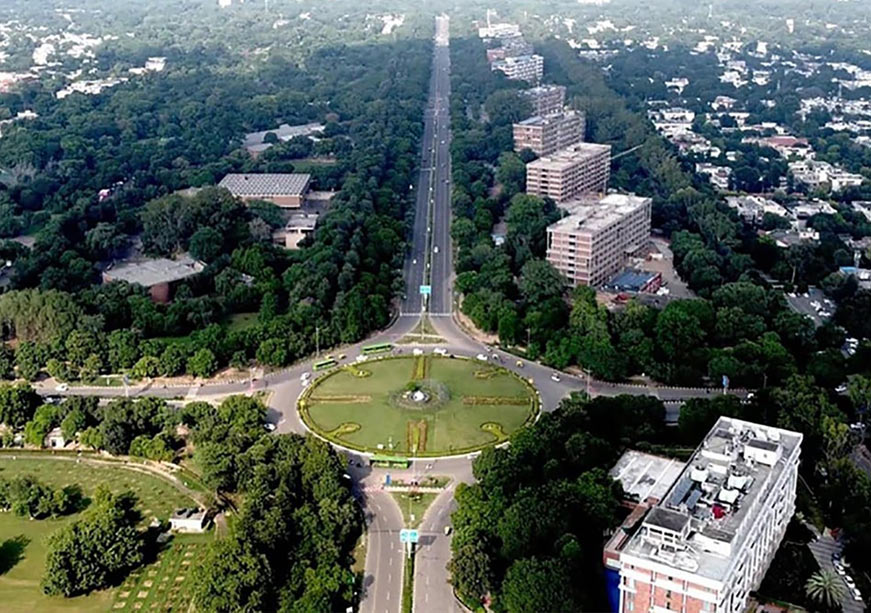
Chandigarh’s draft B&B policy promotes regulated homestays to boost tourism while raising concerns about misuse, privacy, parking, and enforcement issues ...
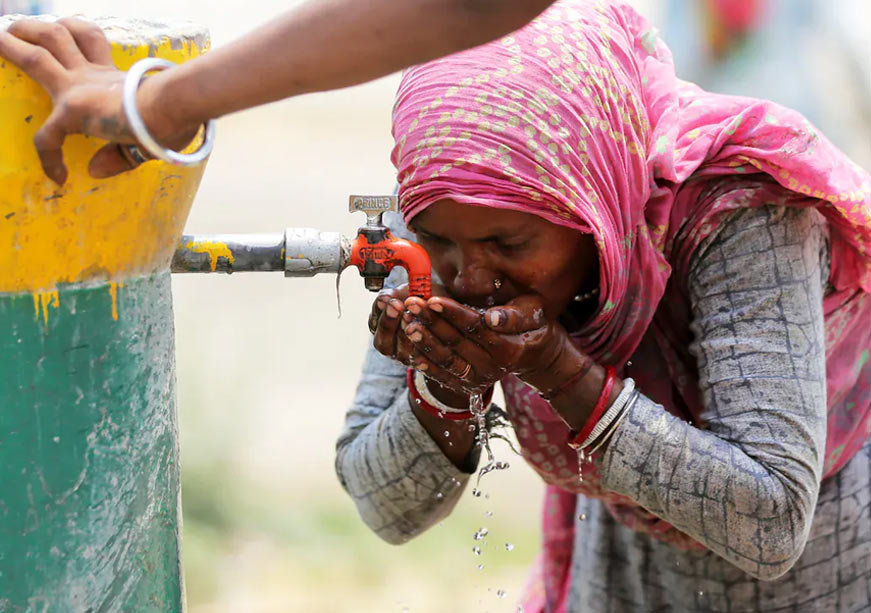
As extreme heat intensifies across Indian cities, access to cooling, shade, and climate protection is becoming deeply unequal, exposing how urban heat disproportionately burdens low-income communities and informal workers ...

As BRICS cities confront shared pressures of climate risk, congestion, and uneven service delivery, outcome-oriented auditing could transform urban governance from a compliance exercise into a citizen-centred accountability framework ...

Indian cities are increasingly using global partnerships to shape urban development, yet realising their full transformative potential demands moving toward a coherent, institutionally grounded, and equity-centred framework for city diplomacy ...

As India accelerates its e-bus transition, financially strained power distributors must decide whether to treat electric fleets as a grid burden or a transformative opportunity ...

Deonar's rehabilitation demands a sequenced intervention — one that treats methane mitigation, coastal restoration, and carbon revenue not as ancillary benefits, but as integral to the framework itself ...

India must urgently standardise, update, and broaden urban data systems to enable coherent analysis and more effective policy interventions across its rapidly growing cities ...

Free bus services, as seen in Dunkirk, can be a high-impact public good—boosting ridership and reducing car dependence—but require careful planning, sustained investment, and fiscal discipline to succeed ...

Enduring weaknesses in urban governance and the limited effectiveness of existing reform pathways point to the need for more structural approaches, including city-state models for large urban centres ...

LA’s ‘mansion tax’ shows that earmarked levies on high-value property can fund affordable housing, but poor design can distort supply—offering a cautionary template for Indian cities ...

Once the flagship of Saudi Arabia’s NEOM vision, ‘The Line’ now highlights delays, rising costs, and the challenges of translating hyper-ambitious urban design into practical reality ...

The 15-minute city prioritises proximity, but in India, the real urban challenge lies not in access to local amenities, but in unequal access to jobs, quality services, and efficient mobility across the city ...

As Indian cities confront intensifying and earlier heatwaves, integrating ecologically functional urban water bodies into statutory planning is essential for equitable and sustainable heat mitigation ...

India is nearing “water bankruptcy” as rapid groundwater depletion outpaces recharge, demanding urgent, science-led reforms and collective action to secure its water future ...

The Economic Survey’s infrastructure-led lens obscures a deeper reality: mobility outcomes, not assets, determine the productivity of India’s cities ...

India’s cities are entering an era of water bankruptcy, where unsustainable groundwater use, urban mismanagement, and climate pressures are eroding the natural resilience of water systems ...

India’s rapid urbanisation demands planned, sustainable development through transit-oriented planning, municipal reforms, social protection, and resilient infrastructure to manage growth and unlock urban potential ...

The Mumbai–Pune Expressway gridlock exposed institutional unpreparedness for hazardous transport, revealing policy gaps, emergency failures, and the urgent need to prioritise safer rail alternatives. ...

India’s rapid urbanisation and modernisation are eroding Gandhian ideals, widening the gap between moral philosophy and contemporary social reality ...

Tourism-driven growth in the Himalayas is intensifying seasonal water stress, exposing how governance failures and climate vulnerability are converging to undermine the region’s ecological and urban resilience ...

Urban water contamination is a systemic governance failure driven by fragmented institutions, technocratic fixes, and neglected water quality and public health ...

Budget 2026–27 prioritises tier II and III cities and urban infrastructure, but weak ULB capacity, financing gaps and state-level constraints limit delivery ...

State dominance continues to define urban governance, limiting the authority of elected municipal councils ...

New York’s mayor wields executive authority over a city-state; Mumbai’s mayor presides ceremonially, revealing how India’s cities remain structurally disempowered ...

Rapid sprawl is stretching India’s water systems to breaking point, making equitable access dependent on smarter, inward-focused, ecologically sensitive urban development ...
Ashish Upreti is a serving Indian Army officer with over 25 years of experience in operations, crisis management and strategic communications. He has represented India at international forums and written articles and opinion pieces for national and international publications. In ...
Read More +
Ashish Upreti is a serving Indian Army officer with over 25 years of experience in operations, crisis management and strategic communications. He has represented India at international forums and written articles and opinion pieces for national and international publications. In ...
Read More +