As AI governance takes shape globally, the Global South must articulate a shared vision that reflects its economic diversity, development priorities, and capacity constraints. ...

Emerging technologies, private capital, and startups are reshaping US defence planning, as AI, autonomy, and software redefine modern military power ...

A single remark on Taiwan has triggered a sharp China–Japan fallout, exposing how diplomatic missteps can rapidly spill into trade, tourism, and supply chains ...

India’s growing dependence on private tutoring reflects defensive household spending, underscoring the need to strengthen in-school learning and public skilling pathways ...

By crippling key Pakistani airbases and assets, Operation Sindoor made cross-border terror an economically costly gamble for Islamabad ...

India’s demographic surge is colliding with a labour market that simply isn’t expanding fast enough—leaving millions of educated young people stranded between ambition and opportunity ...

Although national guidelines have a well-defined framework for entomological surveillance, gaps persist in year-round implementation at district and zonal levels, hindering effective dengue control. ...

While global attention remains fixed on Gaza and Ukraine, Africa is confronting its deadliest conflicts in decades, calling for peace and governance reform. ...

India’s development model, blending local ownership with global credibility, is redefining South-South Cooperation for an era beyond aid dependency. ...

Ocean-based carbon capture can help India reach net-zero by 2070, turning its seas into engines of carbon removal and blue growth ...

As India urbanises, pollution, stress, and processed diets are fuelling autoimmune diseases—demanding policy that links city design to health. ...

India’s growth story is undermined by poor nutrition, costing billions in lost productivity. Investing in diets is investing in development. ...

As India accelerates its shift to electric mobility, the promise of sustainability is tempered by the risks of critical mineral dependence, supply chain vulnerabilities, and the possibility of locking into new forms of energy insecurity. ...
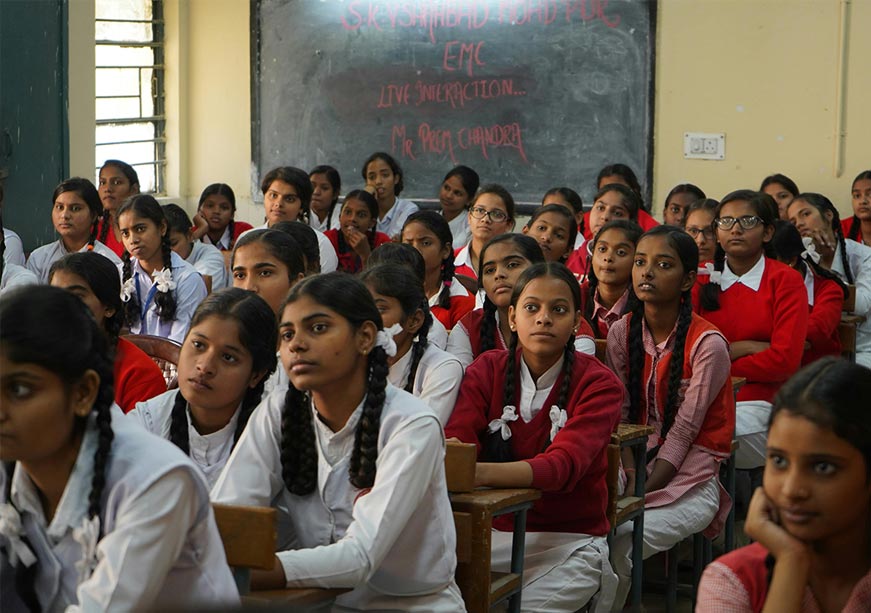
PARAKH 2024 data highlights persistent learning gaps among SC, ST, and OBC students across India, underscoring the urgent need for comprehensive, equity-focused interventions in pedagogy, policy, and inclusive education for all. ...

India’s AI Safety Institute must walk a fine line between safety and security at a time when global counterparts are shifting decisively towards security-first approaches. ...
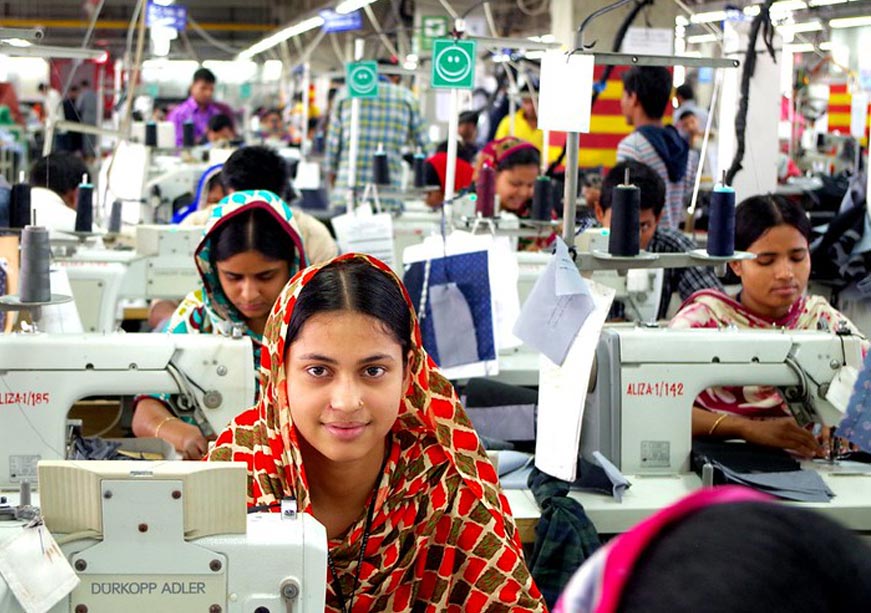
For India to achieve truly inclusive growth, it must recognise and value the invisible labour of care that sustains its economy and society ...

India must secure its digital remittance corridors with the Gulf by aligning fintech innovation with robust cross-border regulation and governance ...

A nuclear Iran may upend fears of chaos—deterrence theory argues it could instead impose an uneasy but lasting stability in West Asia. ...

Balancing India’s push for data localisation with the demands of AI innovation is critical to safeguarding privacy while ensuring that the country remains globally competitive in the digital economy. ...

The use of AI by law enforcement agencies highlight the need to evaluate governance considerations within this ecosystem. ...

India’s weight-loss drug rush raises tough questions on health equity, medical ethics and quick-fix culture. ...

India’s experience in building an inclusive, interoperable Digital Public Infrastructure offers African countries a tested blueprint for overcoming implementation challenges and accelerating digital transformation. ...

India’s Heat Action Plans risk failing the most vulnerable because their narrow, technical definitions of “vulnerability” overlook the intersecting realities of caste, gender, class, and labour informality that shape heat risk. ...

Walkable cities can tackle India’s health, climate, and equity crises—making active, inclusive mobility central to its urban future ...

Tele-MANAS offers a lifeline for India’s mental health crisis, but operational hurdles and fiscal gaps threaten its scalability and long-term success. ...
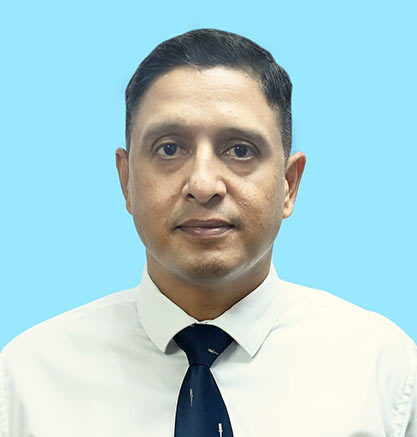
Ashish Upreti is a serving Indian Army officer with over 25 years of experience in operations, crisis management and strategic communications. He has represented India at international forums and written articles and opinion pieces for national and international publications. In ...
Read More +
Ashish Upreti is a serving Indian Army officer with over 25 years of experience in operations, crisis management and strategic communications. He has represented India at international forums and written articles and opinion pieces for national and international publications. In ...
Read More +