India’s rise as a global medical tourism hub reflects a strategic blend of cost-effective healthcare, policy innovation, and traditional wellness systems. ...

India stands at a pivotal point in its attempt to enter the generative AI race. By backing domestic compute capacity, coupled with indigenous models and data, India can forge a leadership position in AI rooted in inclusivity and digital sovereignty. ...

AI is transforming maritime surveillance by enhancing real-time monitoring, dark vessel detection, and predictive capabilities, while raising concerns around cybersecurity, ethics, and implementation. ...

India’s drive to modernise and digitise its port infrastructure demands the urgent integration of robust cybersecurity measures, essential to safeguard trade continuity, national security, and operational resilience against rising cyber threats. ...

India’s ambitious energy transition risks deepening gender gaps unless ESG frameworks like the BRSR are strengthened to capture the realities of women’s work and leadership. ...

Debates over WTO reform intensify as Special and Differential Treatment faces scrutiny for its limited impact, vague design, and shifting global dynamics. ...

The Jadar project reflects the EU’s urgent push for lithium to drive its green transition, but its prioritisation of resources over local and democratic concerns exposes a deeper dilemma. ...

India, like most democracies, now faces an evolved disinformation threat—less about mass manipulation and more about AI-powered, hyper-personalised influence. Propaganda is no longer broadcast; it’s a whisper tailored to one person at a time. ...

Diplomacy is increasingly being reshaped by AI tools that aid negotiations and decision-making, but their adoption must be guided by human judgement, cultural sensitivity, and transparency. ...
.jpg)
The growing digital divide must be urgently addressed. NEP 2020 aims to transform education by promoting technology inclusion and preparing students for a tech-driven world. ...

Amid data security concerns and fragmented health systems, blockchain offers India a robust tool to secure health records and enhance digital healthcare ...

Global tech giants face a reckoning as Congo’s conflict exposes the dark side of ‘conflict-free’ minerals. ...

With momentum surging after high-level visits, Brussels and New Delhi must bridge divides on agriculture, services, and carbon rules if they hope to seal an FTA by the end of 2025 ...

Real estate-driven urbanisation is deepening India’s flood and water crises, pushing the most vulnerable into harm’s way ...

India’s regulatory mechanisms fail to regulate health and wellness misinformation in an era where para-experts and social media algorithms shape public health beliefs ...
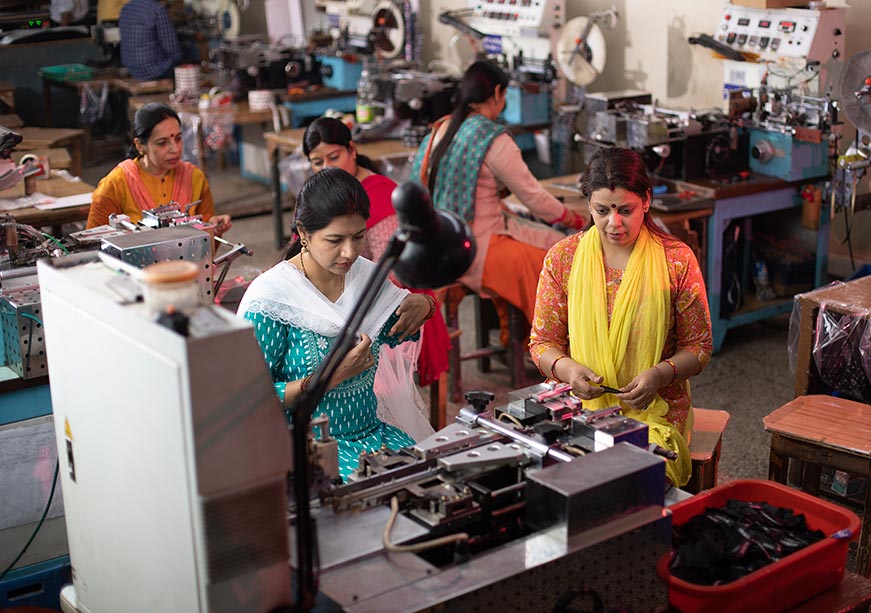
The gig economy promises empowerment for Indian women—but without urgent reforms, it may deliver more precarity than progress ...

India’s consent-driven data rules may unintentionally hinder AI by limiting access to the large datasets essential for training ...

Trump doubles down on pro-Israel policies, but at what cost? His Middle East ambitions hinge on regional stability. Will prioritising Israel hinder or help? ...

From crisis prediction to aid distribution, AI is reshaping humanitarian efforts, but challenges like bias, privacy, and accountability remain ...
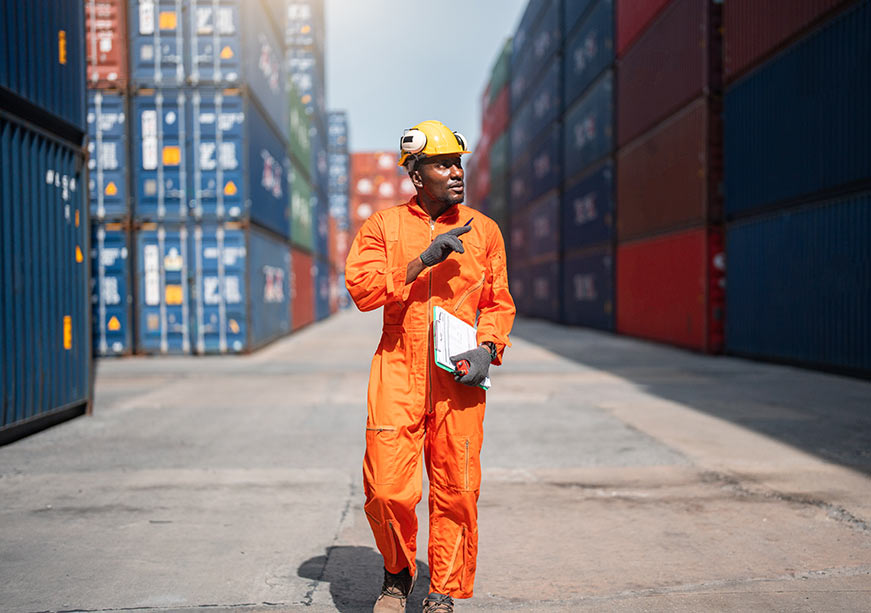
Following the example of other states, Türkiye has significantly expanded its strategic investments in Africa, strengthening its footprint across the continent ...
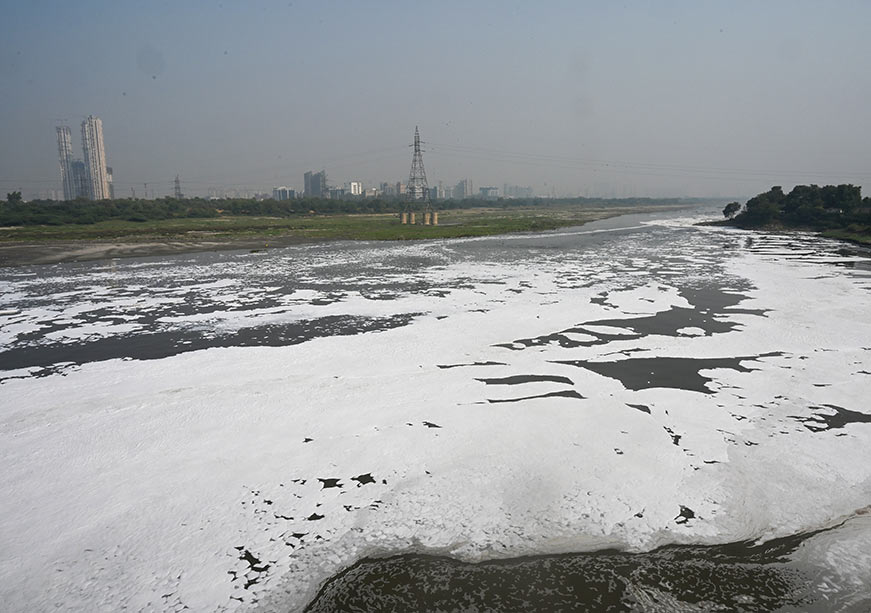
Amidst Delhi’s longstanding battle with air pollution and an ailing Yamuna, will BJP’s pledges turn into actions, or are they just poll-time rhetoric? ...
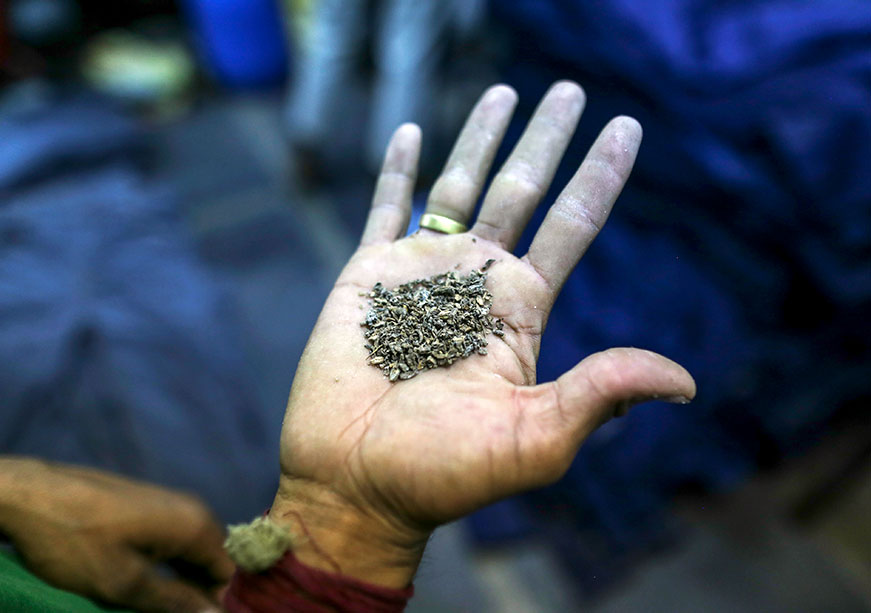
Despite regulatory efforts, tobacco consumption in India remains a major health and economic challenge, thus requiring stronger policies, taxation, and public health initiatives. ...

India has the potential to revolutionise breast cancer treatment by emphasising policy changes, infrastructural development, early detection, and awareness ...
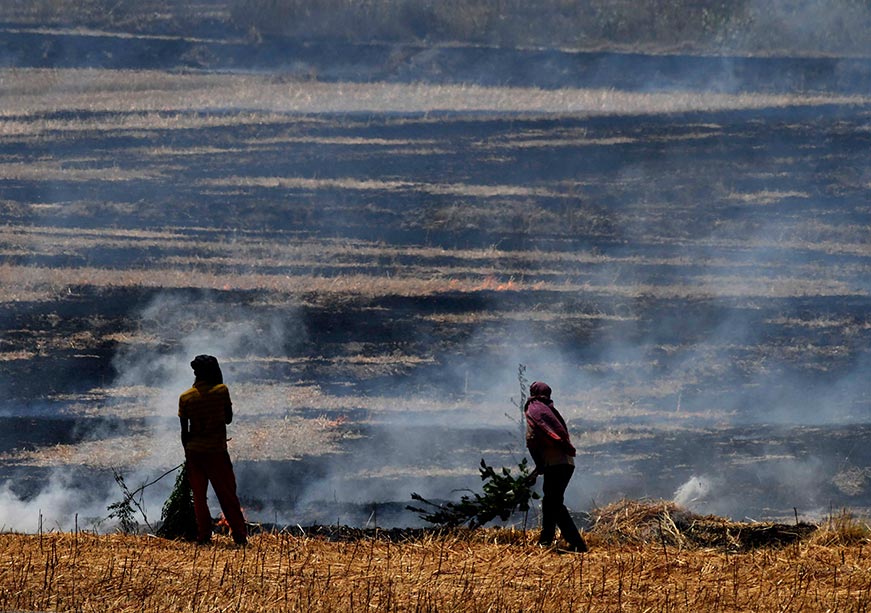
Despite some successful initiatives, stubble burning continues to be a major problem in rural India ...
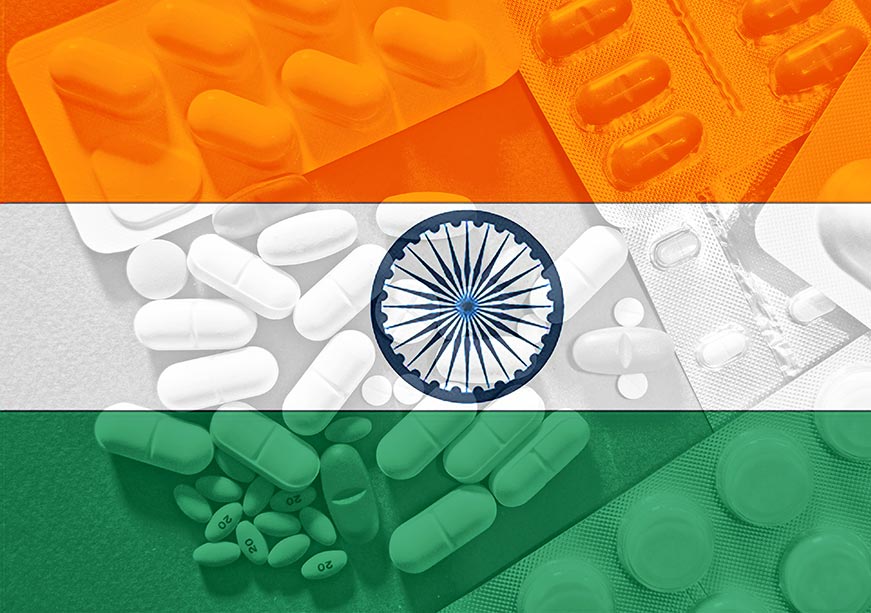
The complex problem of antimicrobial resistance needs to be combated with a coordinated strategy, supported by governmental and cross-sector collaboration ...

Despite the incremental progress made during COP29, much work needs to be done to align with the speed and scale required for the 1.5°C target ...

Ashish Upreti is a serving Indian Army officer with over 25 years of experience in operations, crisis management and strategic communications. He has represented India at international forums and written articles and opinion pieces for national and international publications. In ...
Read More +
Ashish Upreti is a serving Indian Army officer with over 25 years of experience in operations, crisis management and strategic communications. He has represented India at international forums and written articles and opinion pieces for national and international publications. In ...
Read More +