Iran’s participation in the second round of negotiation is unclear on the eve of the end of ceasefire duration. Incendiary rhetoric ahead of talks defeats the purpose as there’s no room left for compromise ...

Rather than retreat into insular crisis management, New Delhi has leveraged its structural advantages to position itself as a regional energy stabiliser ...

Given the changing nature of warfare, it is essential to strengthen deterrence capabilities across land, air, and sea ...

America threatens a naval blockade in the Strait of Hormuz. This marks a move from diplomacy to economic warfare. The US aims to cut Iran's oil revenue. This strategy seeks to force Iran back to negotiations. However, it carries significant risks of escalation. Global energy ...

Perhaps the only good thing to come out of the talks is the climb-down of both parties from a tone that evoked open hostility to one that is merely accusatory ...

The PLA’s effectiveness in translating insights into operational capability will be critical not only in a US-China contingency, but also across other theatres, including South Asia ...

Why any straightforward application of pressure on Iran is bound to fail or backfire ...

France supports India's multi-alignment with flexible defence deals, from helicopters to submarines, fortifying Indo-Pacific security ties. ...

This conflict’s trajectory will depend on whether the adversaries can resolve its structural drivers ...

N. Sathiya Moorthy is a policy analyst and commentator based in Chennai. ...
Read More +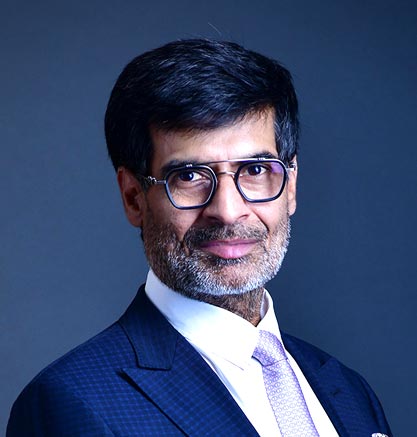
Samir Saran is the President of the Observer Research Foundation (ORF), India’s premier think tank, headquartered in New Delhi with affiliates in North America and the Middle East. His research focuses on issues of global governance, climate and energy policy, ...
Read More +