
As energy demand rises amid geopolitical volatility, India must make efficiency a first-order priority to reduce vulnerability, cushion shocks, and sustain growth with lower energy intensity ...

Diversification has not reduced India’s exposure to global oil shocks, but it has reduced the risk that any single chokepoint or supplier can paralyse its energy system ...

India is gradually diversifying oil imports, balancing Russian crude, costs, and geopolitics while prioritising energy security, refinery economics, and flexibility ...
.jpg)
As the EU’s deforestation regulation takes effect, India must strengthen traceability and digitalisation to retain market access and move up global value chains. ...
.jpg)
Anchoring climate ambition in the ocean is essential to limiting global warming to 1.5°C above pre-industrial levels and to safeguarding vulnerable coastal and island communities. ...

Water is the linchpin of climate action at COP30; embedding water resilience into global adaptation goals is essential for equity, security, and sustainability ...
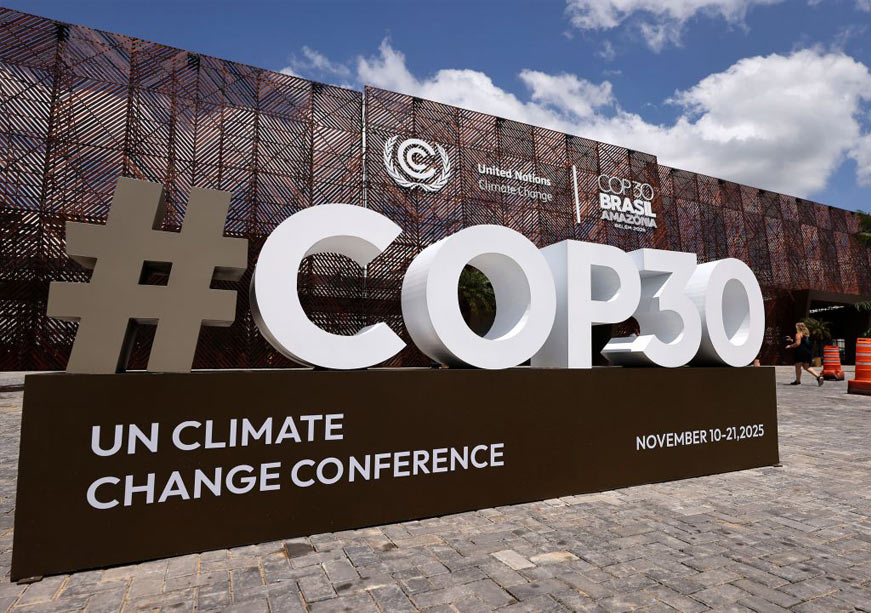
A decade since the Paris Agreement reshaped global climate governance, COP30 in Belém must confront the widening gap between ambition and action—realigning finance, technology, and adaptation to deliver a just and effective climate transition ...
.jpg)
The threat posed by climate change to India’s cotton sector can no longer be ignored. As we observe World Cotton Day, there is an urgent need to provide small-scale cotton farmers and the wider cotton industry with the necessary support. ...

Europe’s climate crisis threatens India’s urban resilience, risking funds, tech, and partnerships vital for its Viksit Bharat 2047 climate-smart growth vision. ...

While developing an REE scheme, India must align its policy objectives to its asymmetric resource endowment, technological readiness, and industrial demand ...

Months after Climate Minister Chris Bowen hailed Australia as “the green hydrogen capital of the world,” several projects have stalled, and many remain in doubt. ...

Small-scale farmers are key to sustainable palm oil, but without support to meet rising standards, they risk exclusion from global supply chains. ...

India must reassess its solar potential to unlock investment, drive green growth, and lead global clean energy transitions through data-driven insights. ...

The rapid heating of the planet demands that the next generation of cooling technology go beyond energy efficiency to be truly sustainable, while protecting the most vulnerable communities from excessive heat exposure. ...
.jpg)
As international climate finance retreats, Debt-for-Climate swaps offer African countries a promising pathway to reconcile fiscal constraints with urgent adaptation and resilience needs. ...
.jpg)
India’s struggle with used cooking oil reveals a pressing need to align food safety, public health, and biofuel policy through science-backed enforcement and public awareness. ...
.jpg)
India’s PM-POSHAN scheme nourishes millions, yet food poisoning cases reveal gaps in hygiene and quality control that threaten child health and trust. ...
.jpg)
As India’s bustling street food culture feeds millions, weak enforcement and underinvestment threaten food safety, signalling the time to bridge the gap between tradition and regulation. ...
.jpg)
As India's food system becomes increasingly digital, global, and doorstep-delivered, a crisis brews: marked by diluting accountability, supply chain opacity, and mounting reputational risks. ...

Artificial Intelligence is transforming food safety systems by detecting contamination, predicting risks, and enhancing traceability across the supply chain. ...

CRISPR-based biosensors provide an innovative point-of-use solution to tackle the increasing threat of foodborne illnesses and for research and development in the biotech industry. ...
.jpg)
Can India’s cities turn their mounting plastic waste into a circular economy success story through markets, technology, and global partnerships? ...

Japan, with its strong hygiene culture and crisis-driven regulatory reforms, serves as a global reference point in food safety governance. ...

Ashish Upreti is a serving Indian Army officer with over 25 years of experience in operations, crisis management and strategic communications. He has represented India at international forums and written articles and opinion pieces for national and international publications. In ...
Read More +
Ashish Upreti is a serving Indian Army officer with over 25 years of experience in operations, crisis management and strategic communications. He has represented India at international forums and written articles and opinion pieces for national and international publications. In ...
Read More +



.jpg)